Main
News
Celiac Disease

Celiac Disease

May 16 marks World Celiac Disease Awareness Day, dedicated to raising awareness about this chronic autoimmune condition.

Celiac disease develops due to the body’s immune response to gluten, a protein found in grains such as wheat, rye, and barley. This immune reaction leads to inflammation and damage in the small intestine, impairing nutrient absorption. The condition can be inherited or acquired, and while it may appear at any age, it often presents with:

 🔹 Constipation or diarrhea
 🔹 Bloating
 🔹 Growth delay, short stature, and delayed puberty in children

At Arabkir Medical Center, celiac disease remains a key focus for the Gastroenterology Service, with over 100 children currently under supervision for this condition. As part of our commitment to advanced care, our specialists are also participating in the 57th Congress of the European Society for Paediatric Gastroenterology, Hepatology and Nutrition (ESPGHAN), where the latest developments in celiac disease management are being discussed.

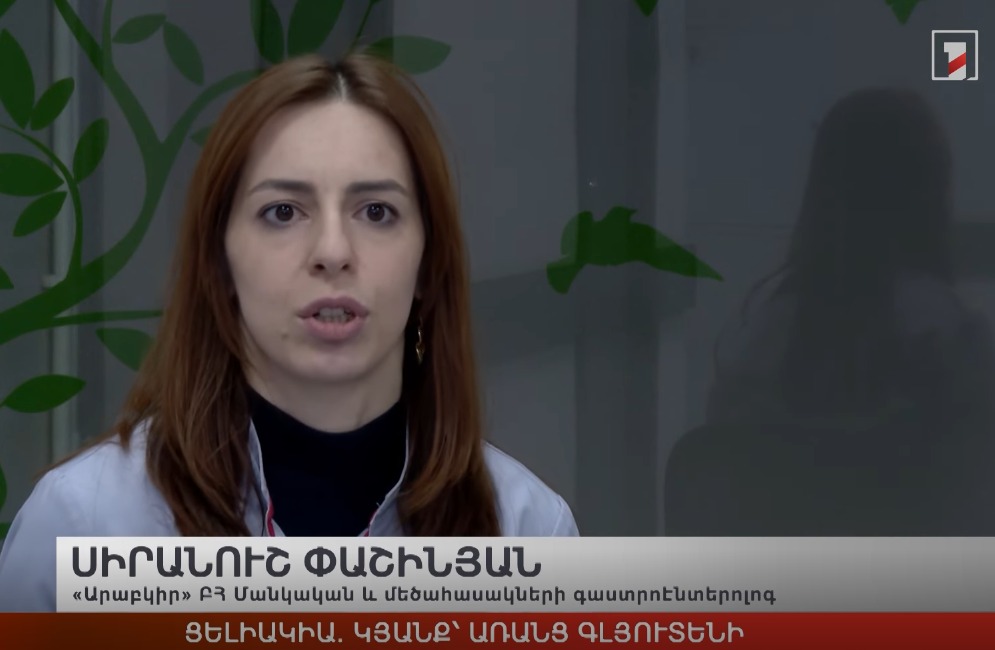
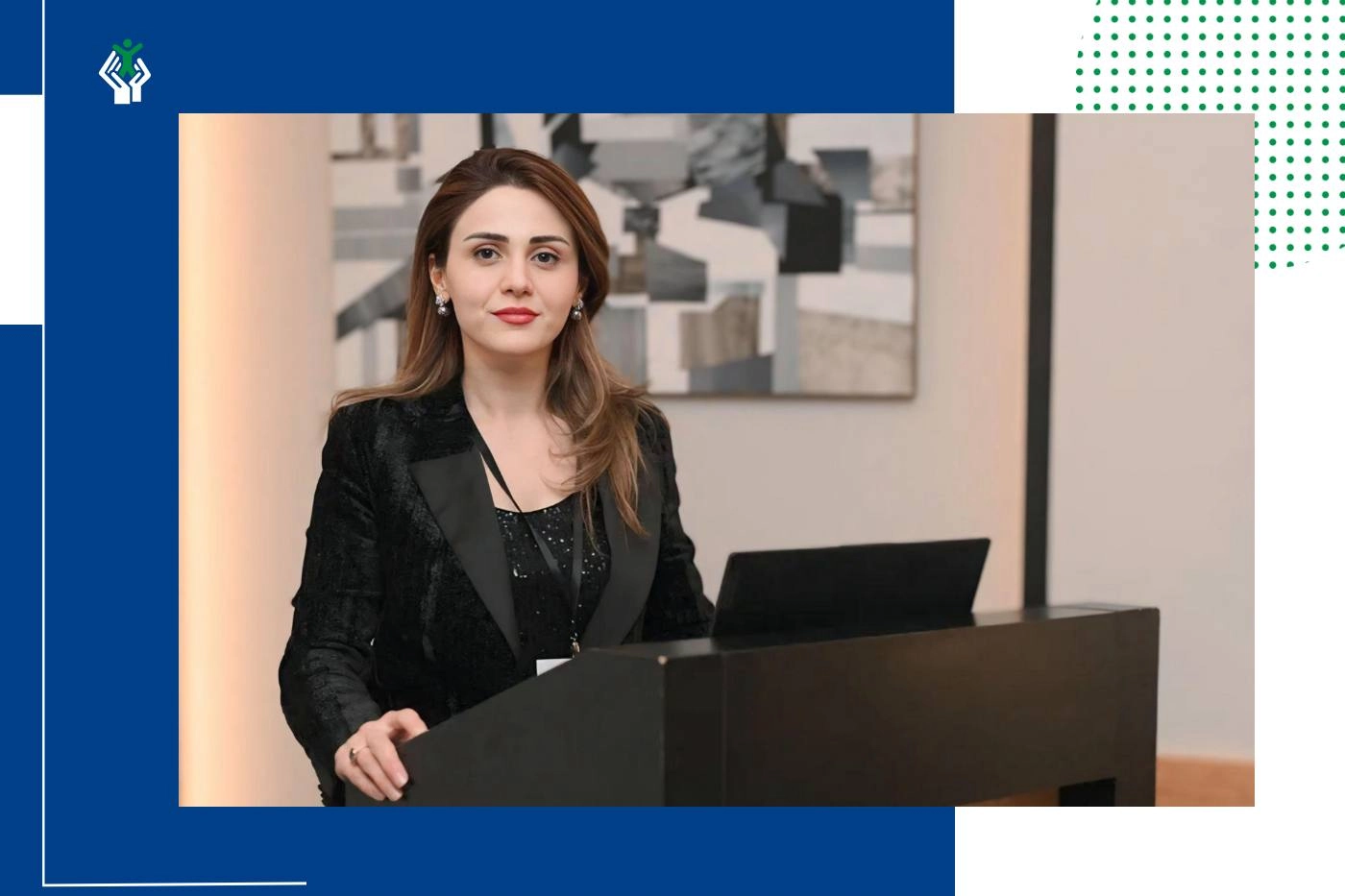
Dr. Siranush Pashinyan, pediatric and adult gastroenterologist at Arabkir, shared her expertise in an interview with Public Television's “News” program: 

  • May 16 is World Celiac Disease Awareness Day. It is an immune disease diagnosed in people with a hereditary predisposition who consume foods containing gluten. 
    Siranush Pashinyan, a pediatric and adult gastroenterologist at the Arabkir Medical Center, says:

    "Gluten is a protein found in certain types of grains—wheat, rye, and barley. Most often, people consume it through flour, which contains gluten. When gluten enters the body, the immune system reacts, resulting in chronic inflammation in the intestines. This leads to serious health problems."

    The disease can manifest at any age, and the symptoms can vary.

    Siranush Pashinyan continues: "Symptoms include constipation, diarrhea, recurring abdominal pain, and bloating. In older children, for example, growth retardation, short stature, delayed sexual maturation, bone damage, and increased bone fragility due to impaired nutrient absorption may occur. In some cases, the disease can be completely asymptomatic."

    There are also non-digestive symptoms, such as hair loss and neurological issues. Some diseases can also be associated with celiac disease. So how is it diagnosed.

    Siranush Pashinyan explains: "The first step is an immunological test called the tissue transglutaminase antibody test. A healthy person who does not have celiac disease is very unlikely to have elevated levels of these antibodies in the blood. A positive result is considered a clinical indicator. The next step is to take biopsies from the gastrointestinal tract."

    The specialist also notes the primary method of treating celiac disease: maintaining a strict diet.

    Siranush Pashinyan says: "The only treatment is a gluten-free diet. Gluten must be completely eliminated from the diet. If the patient has pronounced symptoms, positive changes are typically observed within 2–3 weeks."

    In case of symptoms, self-medication should be avoided, and a doctor should be consulted.
    Siranush Pashinyan adds: "Our medical center has a pediatric gastroenterology dispensary monitoring service, where children with chronic gastrointestinal diseases up to the age of 18 are monitored. More than 300 children are currently under supervision, over 100 of whom have been diagnosed with celiac disease." 

    These children are under continuous monitoring to ensure they follow a proper diet and are not deficient in essential vitamins.
Last news
Մարտի 4-ը ճարպակալման դեմ պայքարի միջազգային օրն է
04 March
Ճարպակալումը մեր օրերի առողջական տարածված մարտահրավերներից մեկն է։ «Արաբկիր» ԲՀ-ԵԴԱԻ-ում գործում է «Դպրոցահասակ երեխաների և դեռահասների քաշի վերահսկման ծառայությունը»: Մասնագիտական մեծ թիմը բազմակողմանի վերլուծում է ավելորդ քաշի առաջացման պատճառները, տրամադրում համապարփակ խորհրդատվություն և սահմանում դիսպանսեր հսկողություն: 
A Single Flight May Expose You to More Radiation Than One X-ray
20 February
With the ongoing development of diagnostic services in Armenia, it may sometimes appear that the number of various diseases is rapidly increasing. In reality, improved technologies now allow conditions to be detected more frequently and at earlier stages. The belief that X-rays or other radiological examinations can accelerate the development of disease is a myth. Marine Grigoryan, Head of the Diagnostic Imaging Service at Arabkir Medical Center, addressed this issue in an interview with Sputnik Armenia. According to her, when appropriate medical standards and dosage protocols are followed, such risks are unfounded. “X-rays are a form of radiation that the human body is naturally exposed to in everyday life. For example, a person may receive a higher dose of radiation during a single airplane flight than from one diagnostic examination. Therefore, the idea that a properly administered X-ray dose can cause or accelerate disease is a misconception,” she noted.
“Epilepsy: Out of the Shadows” Conference Becomes a Reality
09 February
Today marks World Epilepsy Day. Epilepsy is a chronic neurological disorder characterized by recurrent seizures and affects more than 60 million people worldwide. The conference “Epilepsy: Out of the Shadows” was organized through the joint efforts of the Arabkir Medical Center and the “Way of Life” Charitable Foundation. The event addressed key issues related to medical care, educational support, and the social integration of children living with epilepsy. The conference brought together healthcare professionals, representatives of state institutions, educators, patients and their families, journalists, and individuals concerned with advancing epilepsy care in Armenia. “I would like to proudly note that the number of surgical interventions for children has reached nearly 100,” said Ara Babloyan, Scientific Director of the Arabkir Medical Center. “A child who previously traveled to Kazakhstan for surgery and experienced daily seizures is now seizure-free.” Anahit Avanesyan, Minister of Health of the Republic of Armenia, emphasized:  “We provide medication to every child in need, but we will not stop there. We are committed to ensuring stable outcomes through modern technological solutions. These services are costly, but for us, the life and full development of every child are invaluable.” The conference was also attended by Biayna Sukhudyan, Head of the Neurology and Epileptology Service of the Arabkir Medical Center; Elena Baghdasaryan, Head of the Way of Life Charitable Foundation; Lilit Mnatsakanyan, Director of the Republican Pedagogical-Psychological Center of the Ministry of Education, Science, Culture and Sports; Nune Pashayan, Head of the Department of Maternal and Child Health Protection at the Ministry of Health; and Marine Harutyunyan, Head of the Department of Drug Policy and Medical Technologies at the Ministry of Health. During the conference, specialists presented recent achievements in epileptology and modern treatment approaches. Events of this kind play a crucial role in raising awareness, strengthening interdisciplinary cooperation, and advancing solutions to improve the quality of life for vulnerable groups, including children living with epilepsy.
Epilepsy: A Medical, Social, and Educational Challenge
04 February
On February 7, from 10:00 to 15:00, a conference “Epilepsy: Out of the Shadows” will be held at the American University of Armenia (40 Marshall Baghramyan Ave.).The event aims to bring together specialists, parents, and key stakeholders to openly discuss epilepsy, raise public awareness, and collaboratively explore solutions to improve the quality of life for children living with this condition.
Rubik and Eva: Siblings Who Have Never Walked
29 January
Nineteen-year-old Rubik and his six-year-old sister Eva have never walked. Rubik has not even been able to sit upright for more than a year. Weighing only 15 kilograms, he spends all day in the same position due to severe muscle deformities. Day and night, Rubik relies on a special oxygen device to breathe. Both siblings live with a rare genetic condition — spinal muscular atrophy (SMA). The family’s greatest hope is that SMA medication will become accessible not only for Eva but also for Rubik, to help stabilize his breathing and slow the progression of the disease that continues to worsen daily. Source: Sputnik Armenia
The Pediatric gastroenterology and hepatology section was established within the Armenian Pediatric Association
21 January
In October 2025, the Pediatric Gastroenterology and Hepatology Section was established within the Armenian Pediatric Association, bringing together pediatric gastroenterologists, endoscopists, and hepatologists from across the country. The subdivision currently unites 17 specialists.Professor Gayane Amaryan, Head of the Gastroenterology service of the Arabkir MC-ICAH , who initiated the creation of the section, noted, that the primary goals are to consolidate professional expertise to improve the quality of pediatric gastroenterological care, develop clinical, research, and educational programs, expand cooperation with International gastroenterology organizations (including ESPGHAN, NASPGHAN, and UEG), and strengthen collaboration with the Association of Adult Gastroenterologists of Armenia.The Pediatric Gastroenterology Service of the Arabkir MC–ICAH has maintained active cooperation with ESPGHAN for many years. This collaboration includes participation in Annual international conferences, support for ESPGHAN initiatives in Armenia, and the implementation of educational programs. Notably, ESPGHAN Eastern Summer Schools were organized in Yerevan in 2007 and 2017. GE service has also collaborated for 15 years with Professor Christian Braegger, a long-standing member of the ESPGHAN and the head of the Center for Gastroenterology and Nutrition Research at the Zurich Children's Hospital, who actively supports clinical practice and medical education in Gastroenterology at the center.It should be noted that the Gastroenterology Service of the Arabkir Medical Center currently provides long-term follow-up for more than 500 children with chronic gastroenterological and hepatological conditions up to the age of 18. After this age, patients require continued monitoring by adult specialists to prevent complications and improve quality of life. The proper organization of this transition period represents a significant healthcare challenge worldwide and requires coordinated involvement of both pediatric and adult gastroenterologists.This issue is directly addressed by the “Health Care Transition” campaign launched by ESPGHAN in October 2025, in which the Gastroenterology Service of the Arabkir MC is actively involved. The campaign’s slogan, “The transition process is not an ordinary transfer,” highlights the importance of a structured and patient-centered approach.As part of the campaign, the first stage was completed in November 2025, during which ESPGHAN educational materials were supplemented and translated into Armenian. As part of the second stage, in December 2025, the first meeting of gastroenterologists from the four Pediatric and the five Adult tertiary-level medical centers was organized by the Pediatric Gastroenterology Section and Armenian Pediatric Association.During the meeting, the translated ESPGHAN materials were presented, and discussions focused on their implementation in Armenia, localization challenges, and existing barriers in the transition process. Summarizing the event, Gayane Amaryan, Head of the Gastroenterology Service of the Arabkir MC, emphasized the importance of active participation and distributing the ESPGHAN translated resources by specialists and expressed hope that the ESPGHAN-initiated Health Care Transition process will continue to develop gradually and systematically in Armenia.