 English
 Հայերեն
 Русский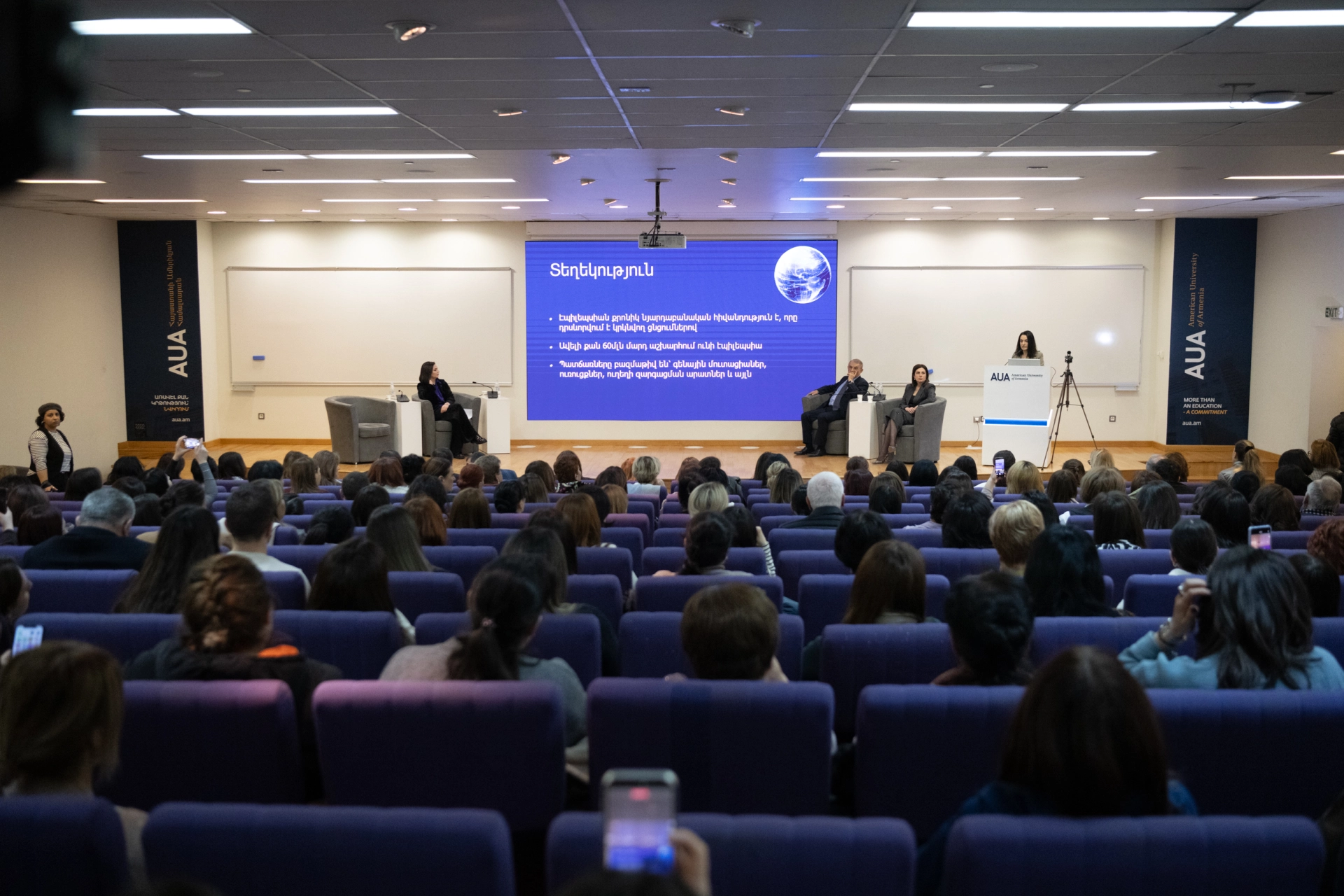
Today marks World Epilepsy Day. Epilepsy is a chronic neurological disorder characterized by recurrent seizures and affects more than 60 million people worldwide.
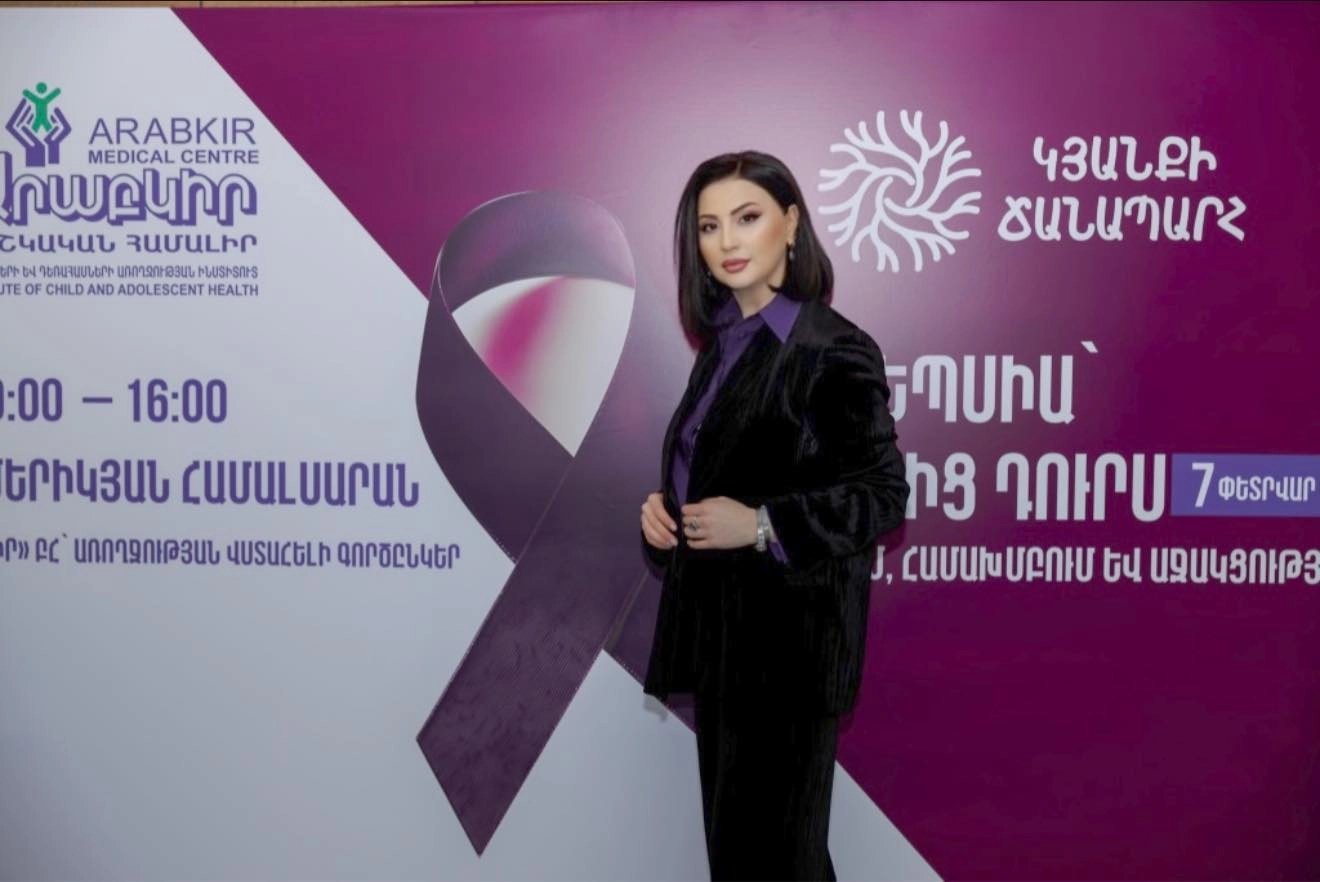
The conference “Epilepsy: Out of the Shadows” was organized through the joint efforts of the Arabkir Medical Center and the “Way of Life” Charitable Foundation. The event addressed key issues related to medical care, educational support, and the social integration of children living with epilepsy.
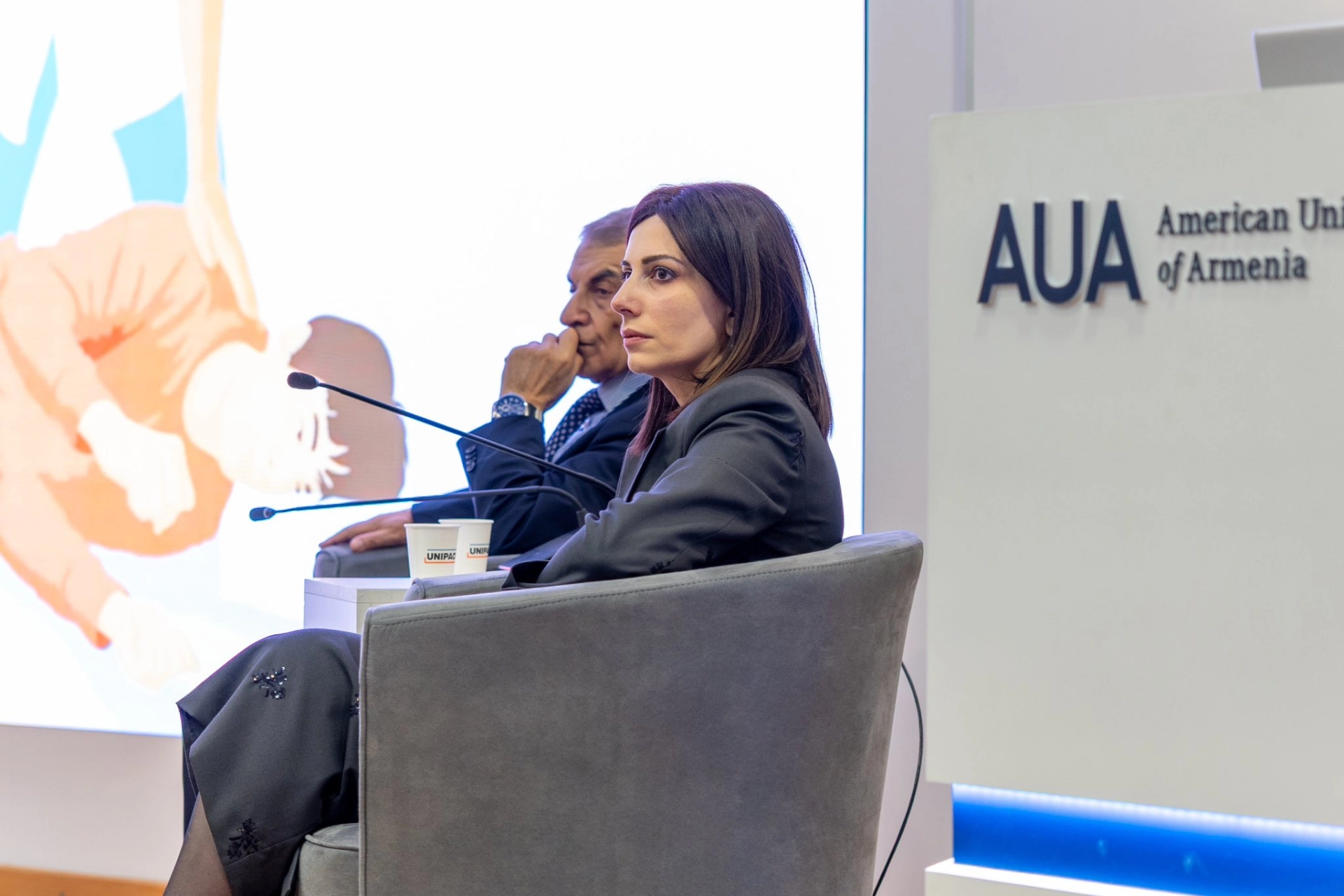
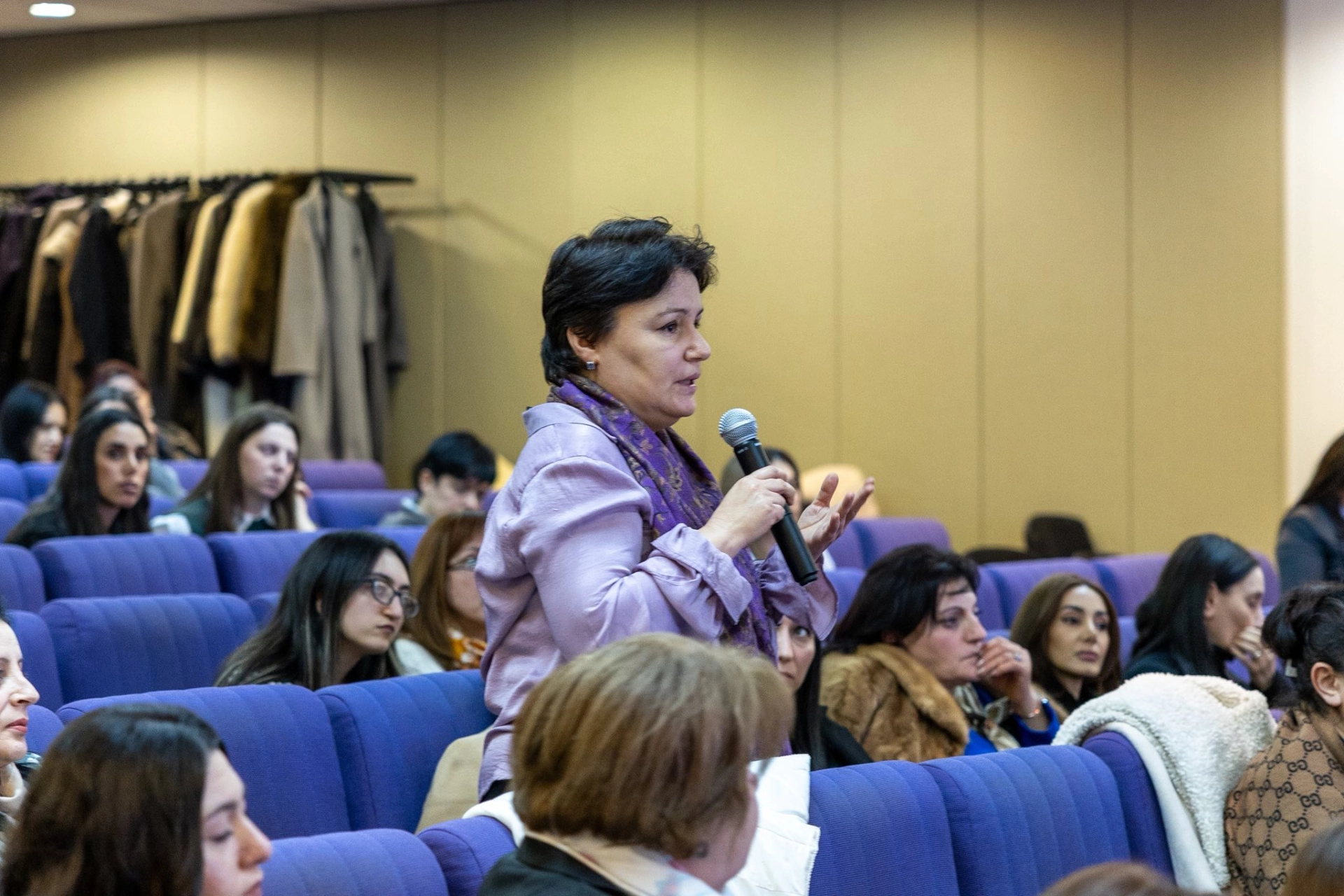
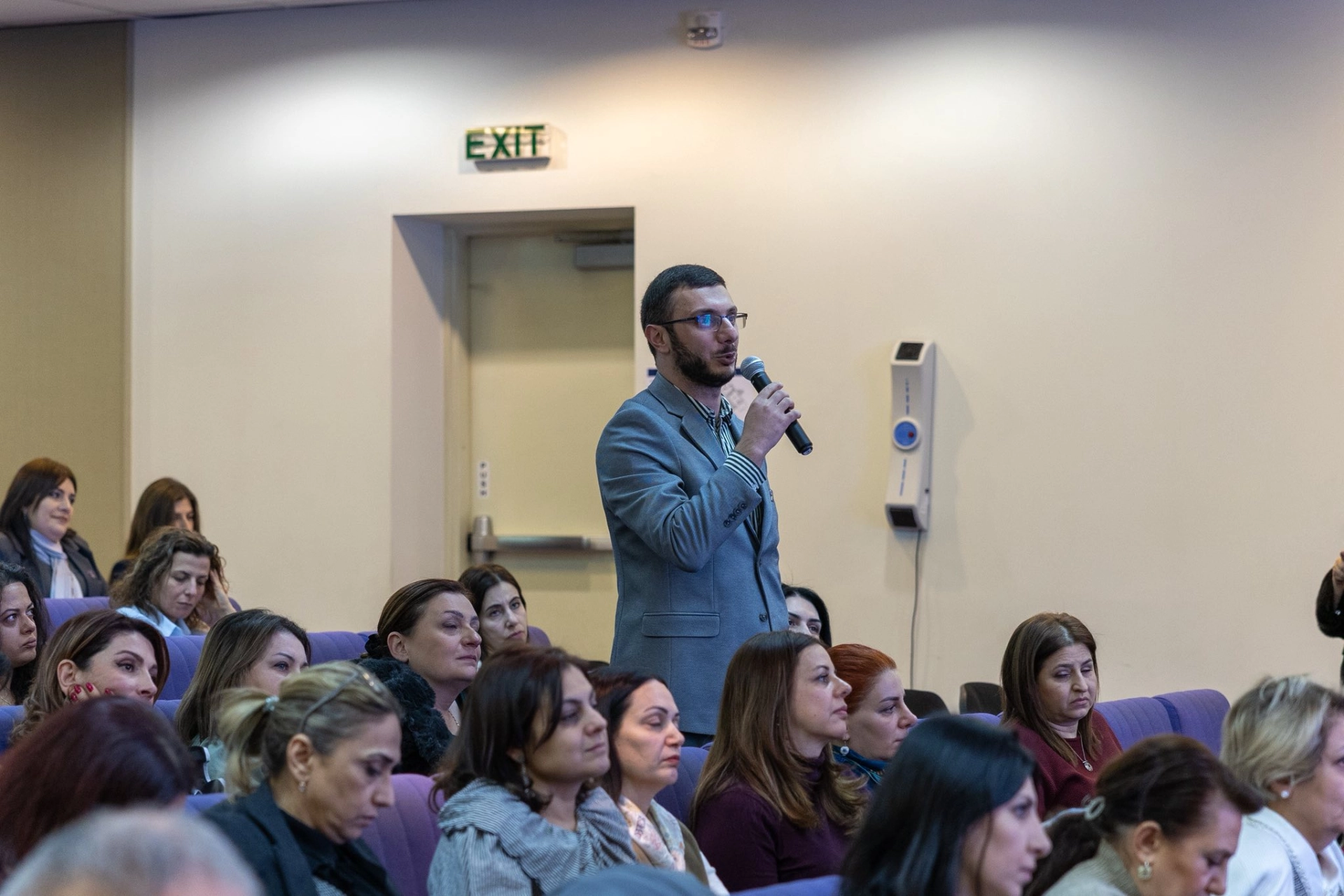
The conference brought together healthcare professionals, representatives of state institutions, educators, patients and their families, journalists, and individuals concerned with advancing epilepsy care in Armenia.
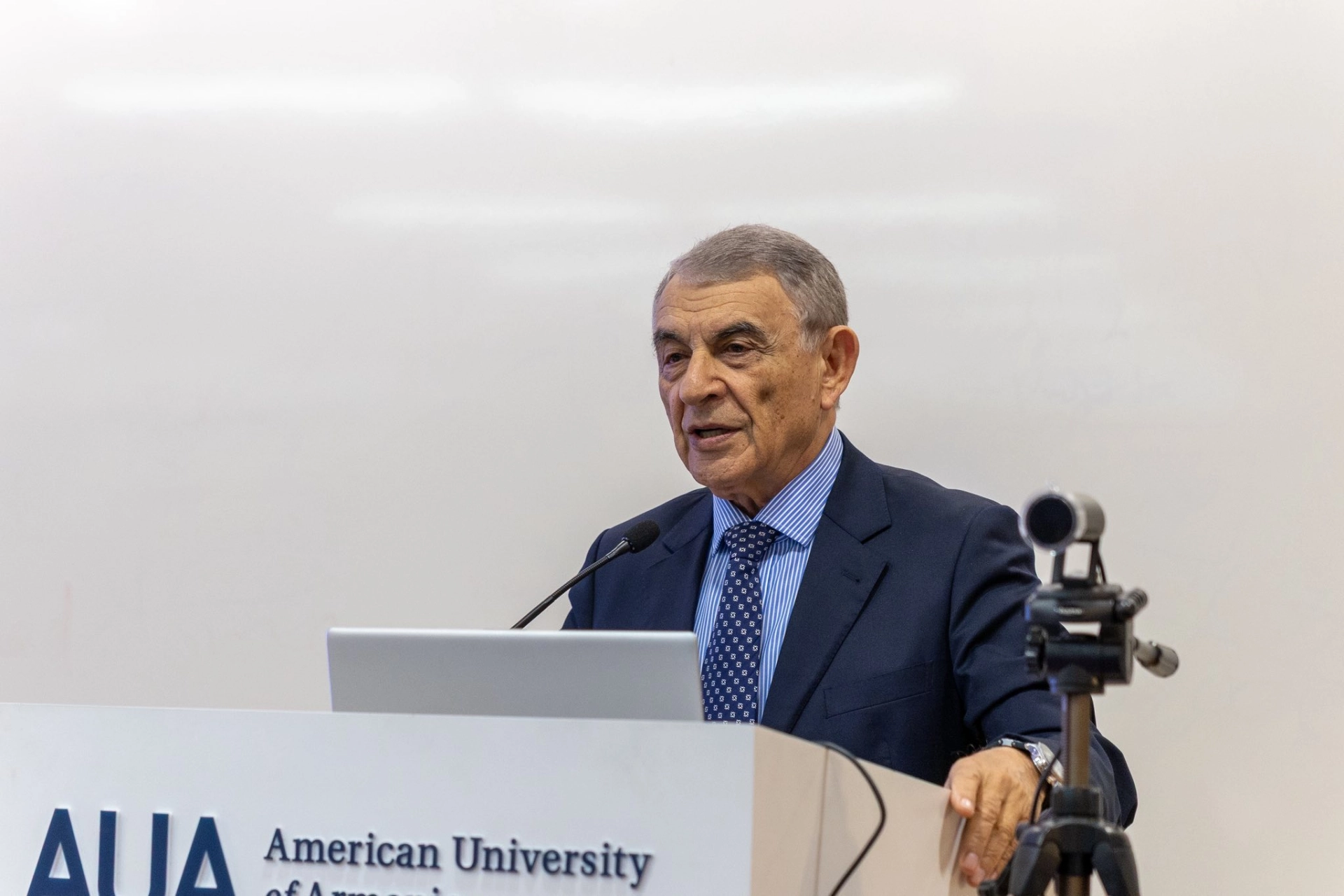
“I would like to proudly note that the number of surgical interventions for children has reached nearly 100,” said Ara Babloyan, Scientific Director of the Arabkir Medical Center. “A child who previously traveled to Kazakhstan for surgery and experienced daily seizures is now seizure-free.”
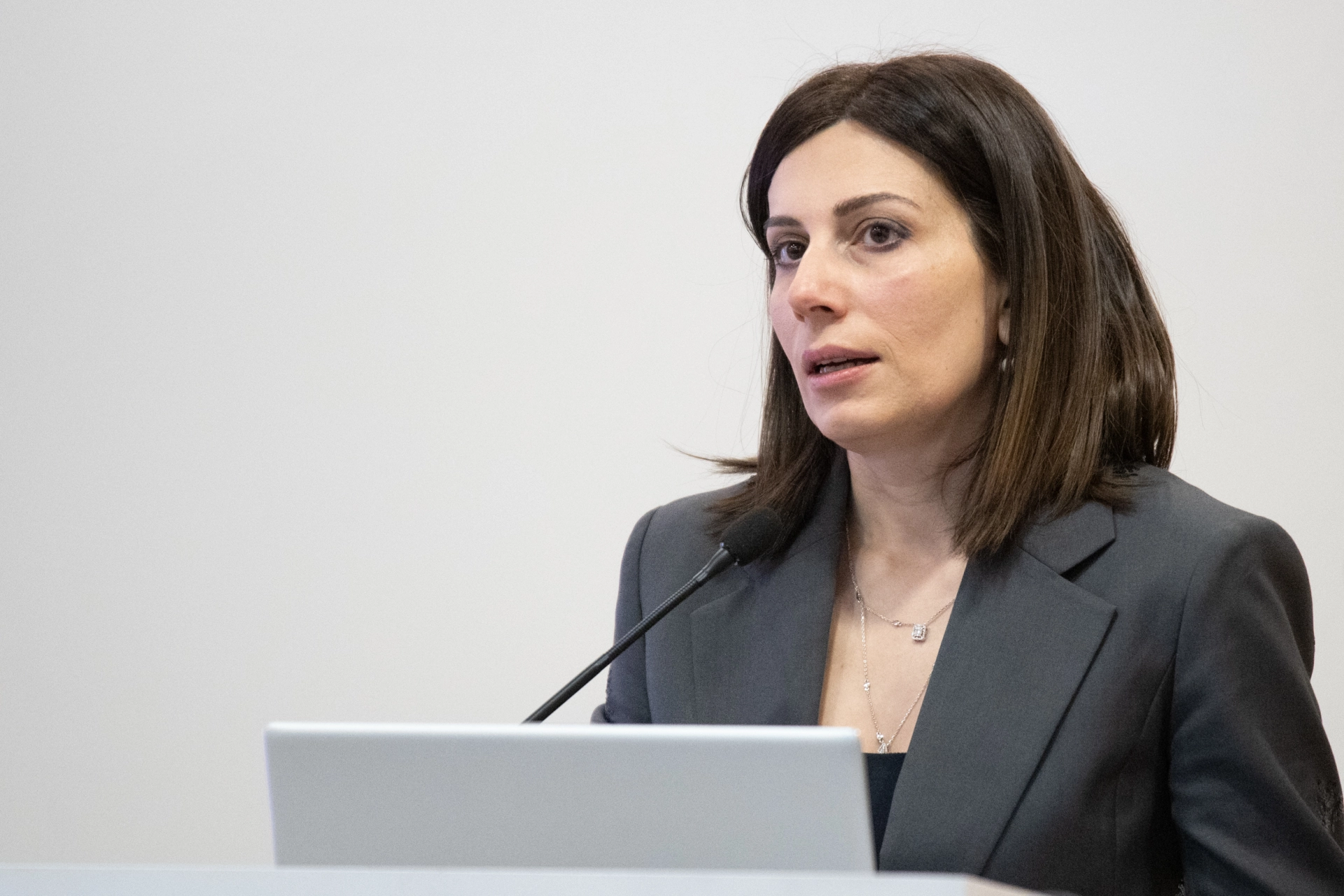
Anahit Avanesyan, Minister of Health of the Republic of Armenia, emphasized:
“We provide medication to every child in need, but we will not stop there. We are committed to ensuring stable outcomes through modern technological solutions. These services are costly, but for us, the life and full development of every child are invaluable.”
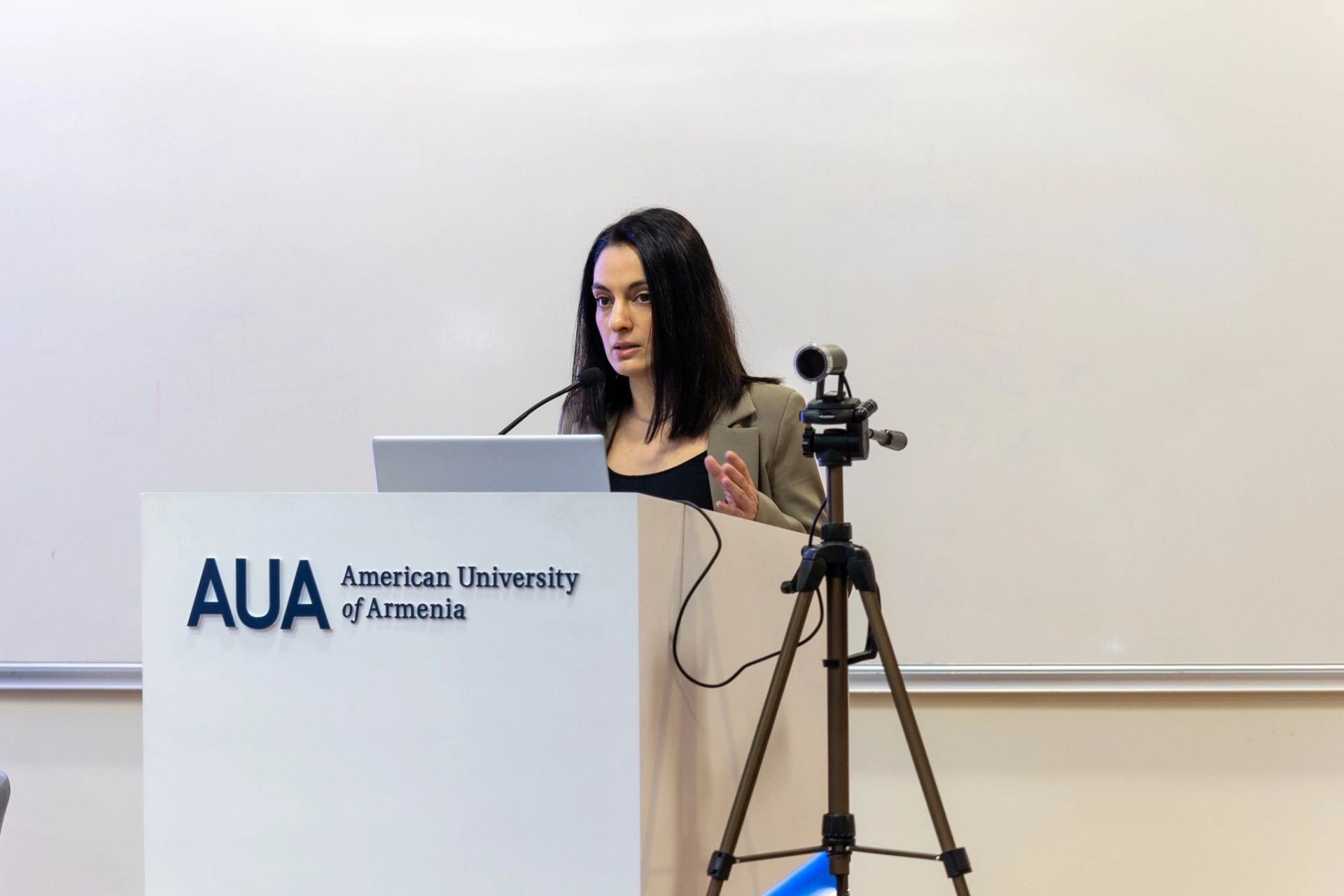
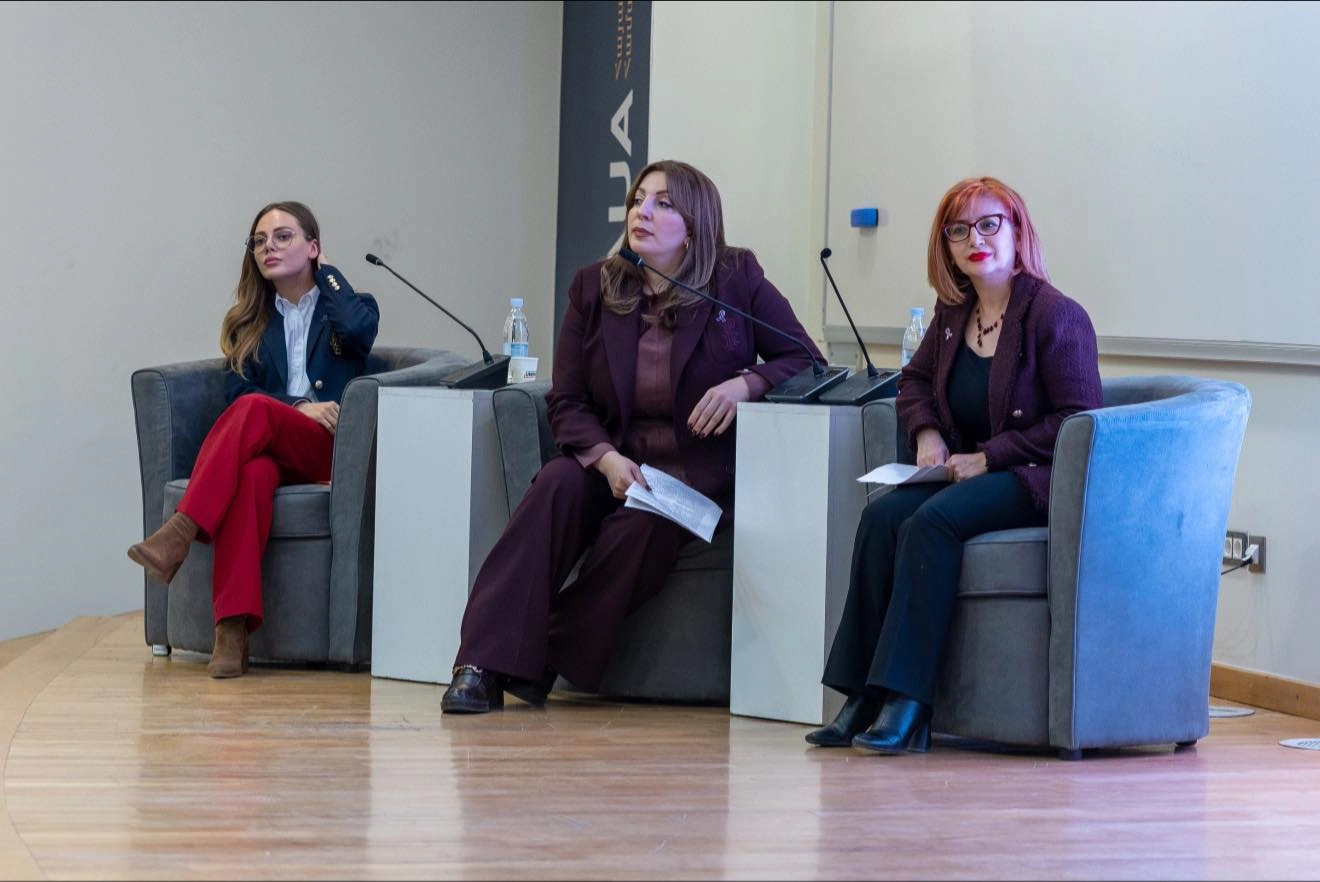
The conference was also attended by Biayna Sukhudyan, Head of the Neurology and Epileptology Service of the Arabkir Medical Center; Elena Baghdasaryan, Head of the Way of Life Charitable Foundation; Lilit Mnatsakanyan, Director of the Republican Pedagogical-Psychological Center of the Ministry of Education, Science, Culture and Sports; Nune Pashayan, Head of the Department of Maternal and Child Health Protection at the Ministry of Health; and Marine Harutyunyan, Head of the Department of Drug Policy and Medical Technologies at the Ministry of Health.
During the conference, specialists presented recent achievements in epileptology and modern treatment approaches. Events of this kind play a crucial role in raising awareness, strengthening interdisciplinary cooperation, and advancing solutions to improve the quality of life for vulnerable groups, including children living with epilepsy.