 English
 Հայերեն
 Русский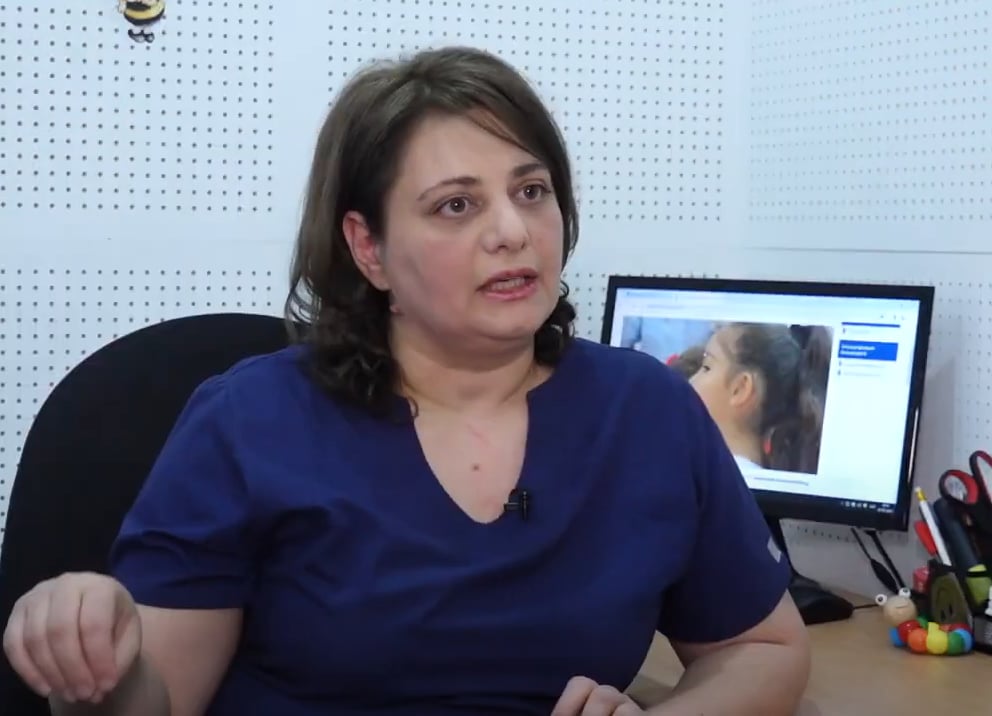
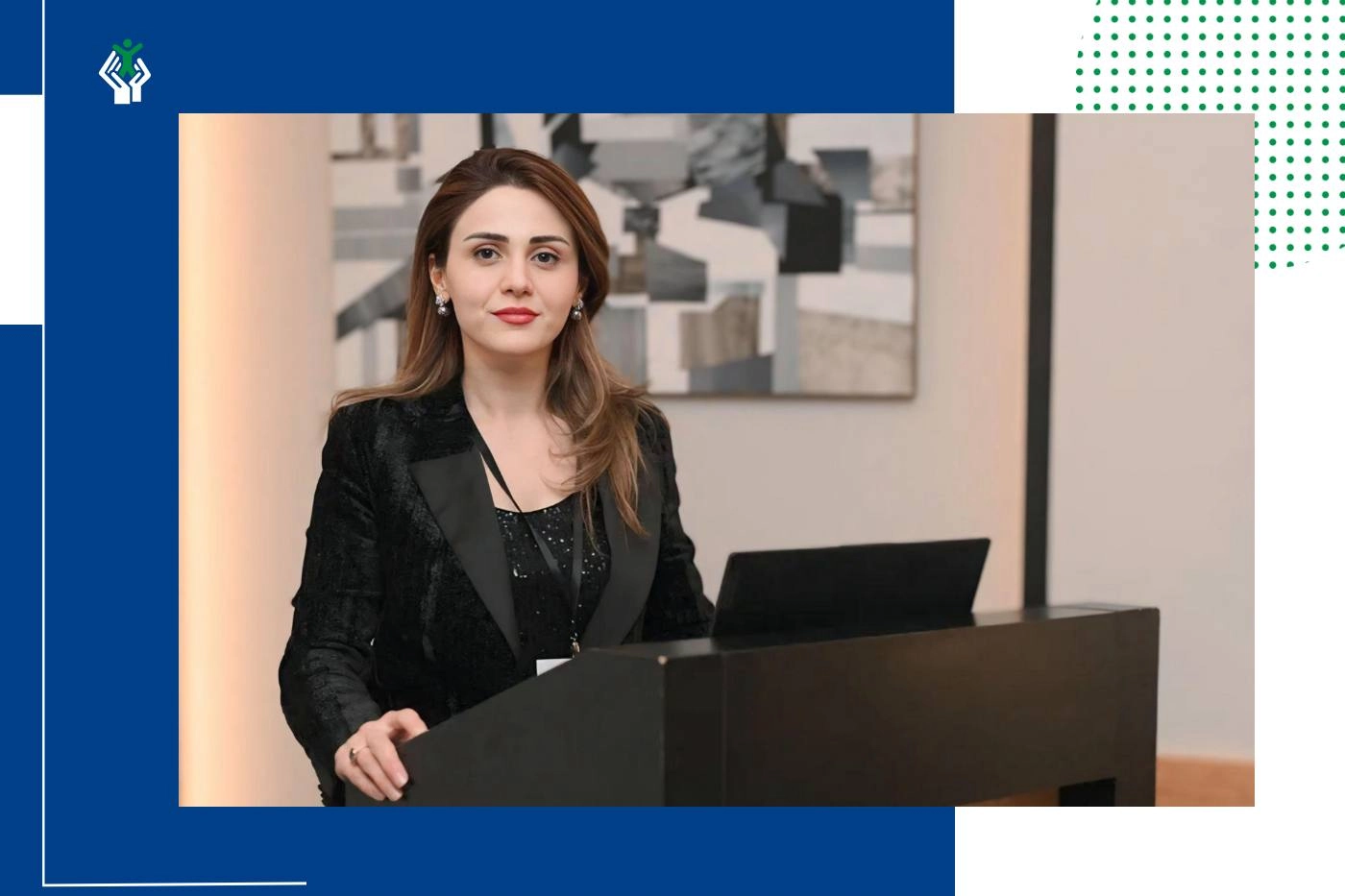
On the occasion of World Hearing Day, Nellie Mosesova, an audiologist at the "Arabkir" Medical Center, answered questions from news.am. She addressed topics such as how parents can identify hearing issues in newborns, the significance of newborn hearing screening, its implementation in Armenia and its outcomes, the causes of congenital and acquired hearing loss and deafness, available treatments for deafness, and whether screening and cochlear implants will eliminate the need for sign language.
How can parents recognize if their newborn child has hearing problems?
During a child’s early developmental stages, identifying hearing issues can be challenging. While there are specific developmental milestones, such as reaction to sounds, these may not always be evident. For example, a 1-month-old baby may not display a noticeable reaction to sound, except for perhaps focusing their gaze or a slight startle to loud, sharp noises. By around 3 months of age, babies begin to respond better to human voices, showing recognition of their mother’s voice and displaying excitement even without visual contact. Around 6 months, they start babbling and can clearly locate the source of sounds. By 1 year, we expect the child’s first words. While these milestones are important, instrumental examinations provide more accurate results. Hence, newborn hearing screening tests are conducted in maternity hospitals in Armenia during the first days of a child’s life.
What is a newborn hearing screening test?
The newborn hearing screening test is a mass screening conducted in stages. The initial stage takes place in the maternity hospital during the first days of the newborn’s life, before discharge. If hearing loss is suspected, the test is repeated, with the second stage completed no later than 2 months of age. If doubts persist, a comprehensive audiologic examination is conducted, including more complex tests to diagnose any hearing loss and determine its severity.
Since when has screening been performed in Armenia and what are the outcomes?
Newborn hearing screening in Armenia began in July 2008, initially in just 4 maternity hospitals. However, since 2018, nearly all maternity hospitals in Armenia have been equipped to perform this screening. The results align with international data, indicating that approximately one in a thousand children are born with hearing loss.
What are the causes of congenital hearing loss and deafness?
Congenital hearing loss has various causes, often involving multiple factors. Genetics is the most common cause, accounting for 30-50% of cases. It's important to note that while labeled as hereditary, both parents may have normal hearing. Complications during pregnancy, particularly infections, are also significant contributors. Certain medications taken during pregnancy can lead to hearing loss. Additionally, premature or post-term (more than 42 weeks) births can increase the risk. Other contributing factors include maternal habits and comorbidities such as diabetes or anemia, which may affect fetal nutrition.
What are the causes of acquired hearing loss and deafness?
Acquired hearing loss often results from infectious diseases such as measles and COVID-19, as well as acute respiratory infections. Certain chemotherapeutic agents used in tuberculosis treatment can also lead to hearing loss. Additionally, traumatic brain injury and prolonged exposure to loud noise, often due to increased headphone use, are common causes.
What are the available treatment methods for hearing loss and deafness?
For acute hearing loss, timely treatment within the first 5 days is crucial, as interventions after 2 weeks are less effective. Therefore, seeking medical attention promptly is essential in cases of sudden hearing loss, as delays can be critical. Alternatively, if treatment is not possible, compensatory measures can be taken. Hearing aids are commonly used for this purpose, and if ineffective, surgical interventions such as cochlear implantation may be necessary.
Is it possible to achieve the level that there is no need for a special language for deaf and mute people?
Despite advancements in technology, including hearing aids and cochlear implants, there are still cases where these methods are ineffective, necessitating the use of sign language. However, with the rapid pace of technological development, there is hope that in the near future, both speech and hearing abilities can be significantly improved.