Main
News
Symposium: Kidney Health for All

Symposium: Kidney Health for All


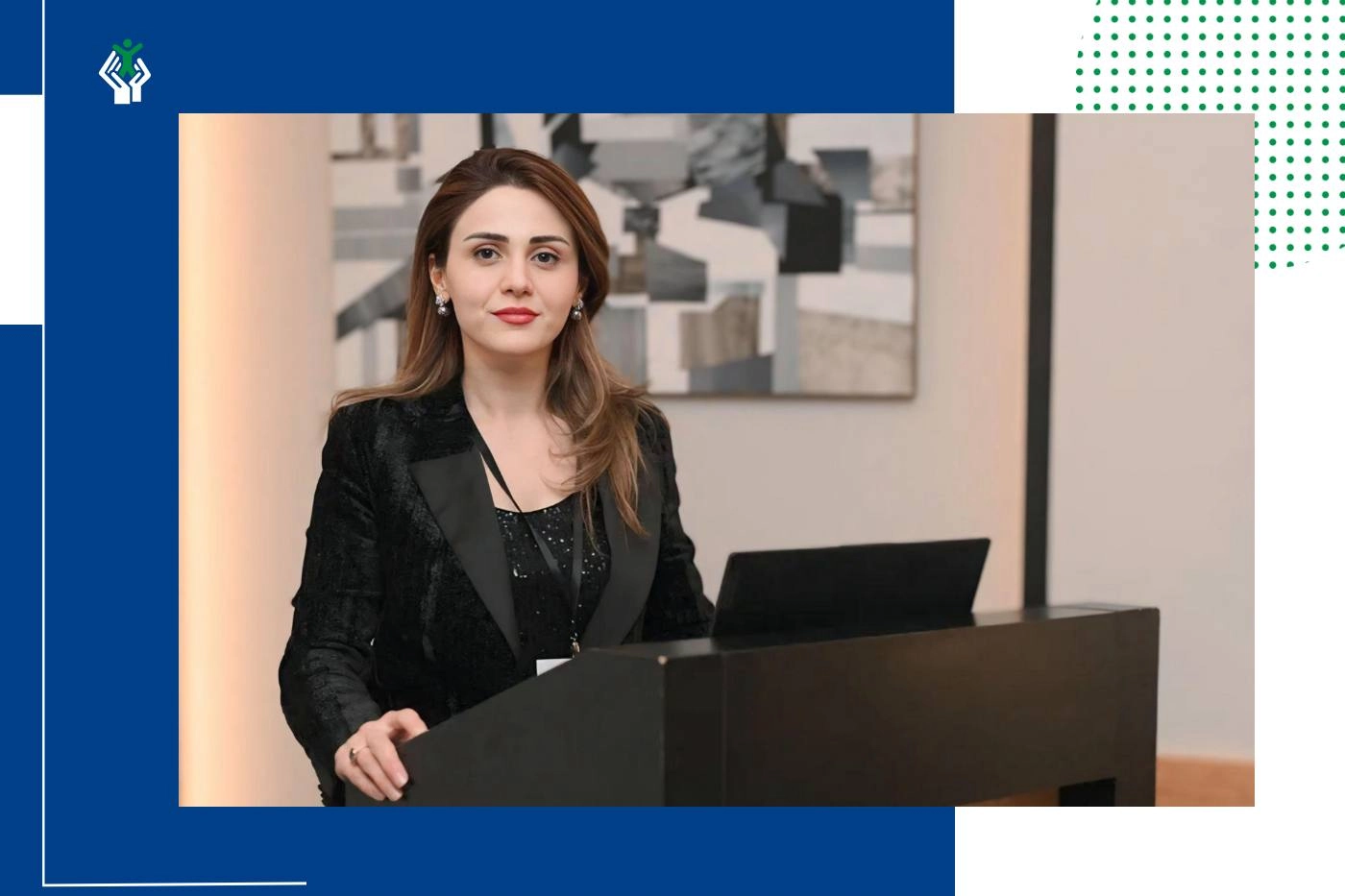
Public television also covered the symposium held on the occasion of World Kidney Day. Discover why kidney health is so important, including insights into the most prevalent kidney problems and those that are less common. Learn about the modern methods used for detecting and treating kidney issues. Find out more details in the accompanying video.
 

From hemodialysis and kidney transplant to onco-nephrology, the “Kidney Health for All” symposium has drawn the participation of over 80 doctors. The event not only features presentations and analyses, but also highlights rare cases encountered in clinical practice.


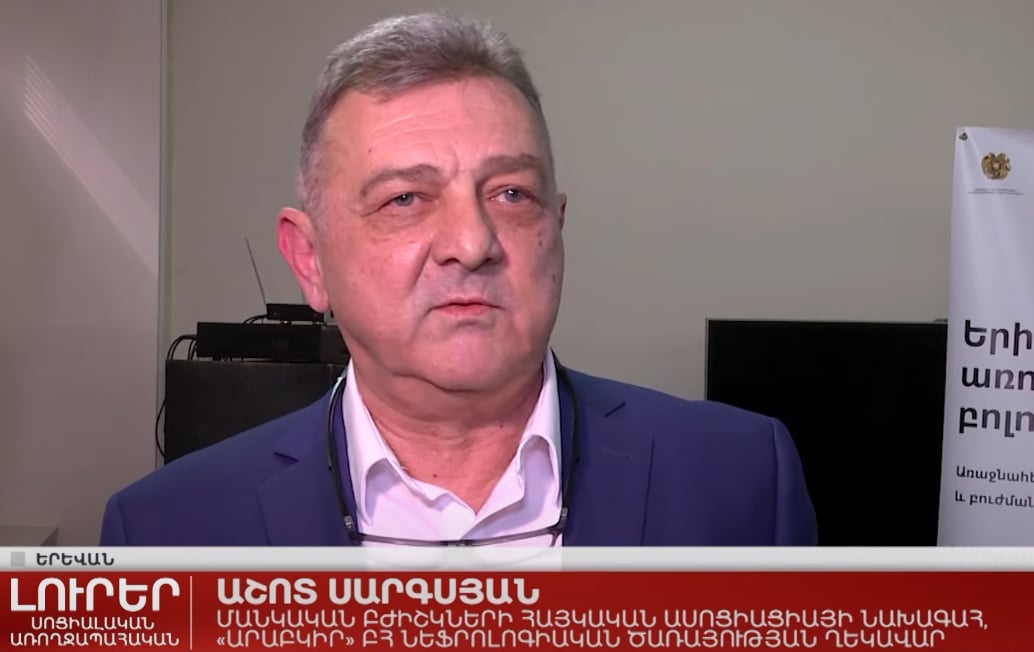
Ashot Sarkissian, President of the Armenian Pediatric Association and Head of the Nephrology Service at the “Arabkir” Medical Center, remarked: “Among the selected topics, we have prioritized discussions on highly significant diseases affecting various departments and clinics. These include nephrology in oncology, hemolytic-uremic syndrome, and other prevalent conditions.”

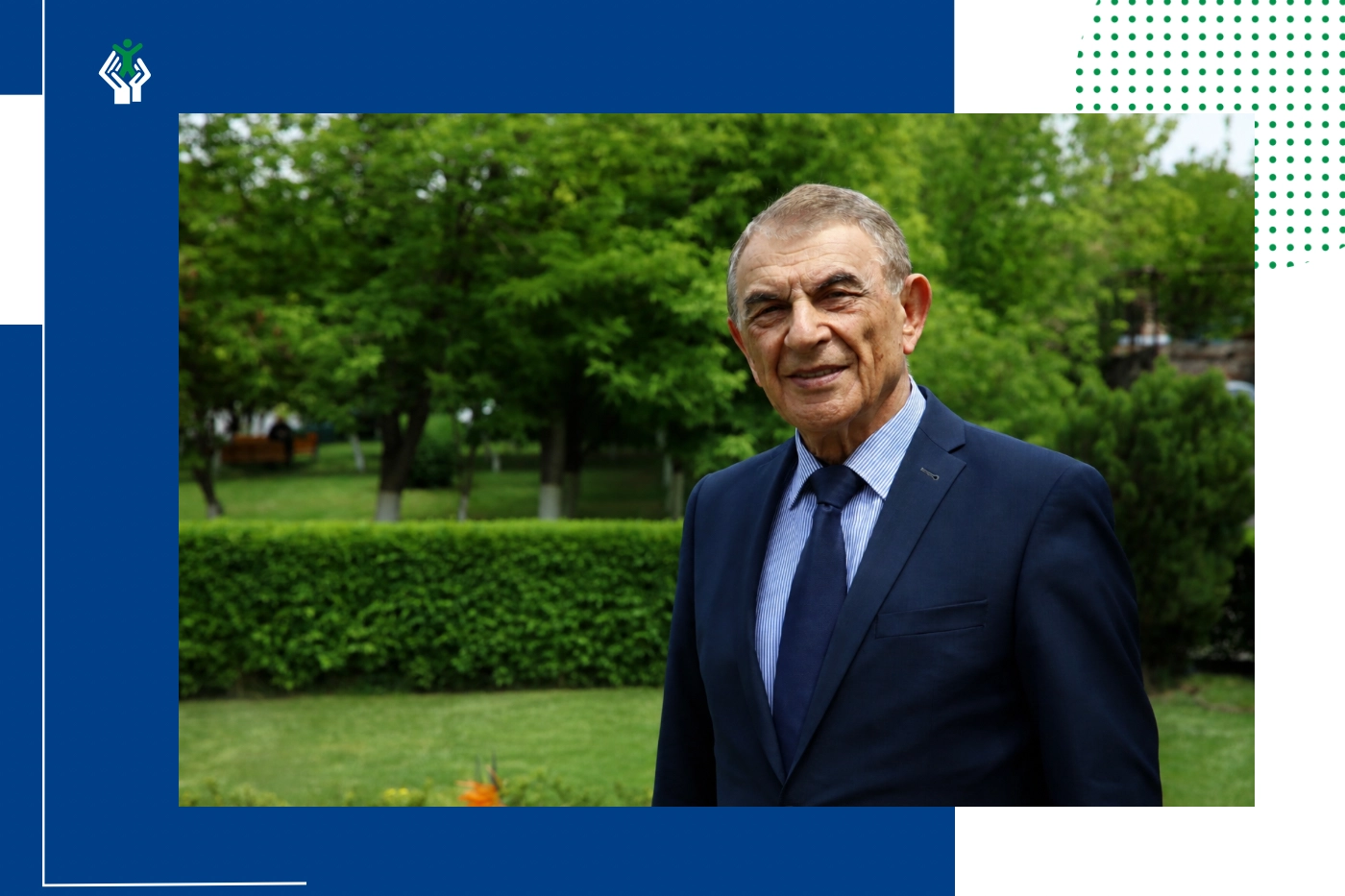
Here’s an excerpt from the remarks of Ara Babloyan, the Scientific Director of the “Arabkir” Medical Center: “Nephrology is a complex, fascinating and deeply intricate field of both profession and science. Each aspect requires thorough consideration and dedication, a continual process of giving and receiving knowledge. Today, we embarked on this journey together during our symposium.”


In Armenia, as in the rest of the world, the incidence of kidney pathologies is on the rise each year. Currently, there are over a thousand individuals undergoing hemodialysis treatment, while kidney transplants are exclusively performed using donations from related donors.


Milena Voskanyan, Head of the Follow-up department for Organ Transplant Patients at “Arabkir” Medical Center, remarked: “Today, we will also review the outcomes and advancements of kidney transplantation in Armenia over the years. In the past two decades, we have successfully conducted 245 kidney transplants from related donors, marking significant progress. Notably, we have witnessed the remarkable success of four young women who have undergone kidney transplants and collectively have five children. It's heartening to see both the children and the transplant recipients living healthy lives.”


The symposium also covers primary and secondary pathologies of kidney diseases.

Nerses Ghahramanyan, Head of the Follow-up/Dispensary Department at the Hematology and Chemotherapy Clinic of the Hematology Center after Yolyan under the Ministry of Health of the Republic of Armenia, explained: “I will discuss the diagnosis and treatment of AL Amyloidosis, a rare and serious disease. While several cases are diagnosed each year, treatment typically involves chemotherapy drugs and immunotherapy. In some cases, bone marrow transplantation may be necessary.”

The meeting also addresses hemolytic-uremic syndrome, with presentations on the Armenian experience.

Ashot  Sarkissian, President of the Armenian Pediatric Association and Head of the Nephrology Service at “Arabkir” Medical Center, shared: “Hemolytic-uremic syndrome has become prevalent in Armenia, with recent outbreaks observed. This condition, commonly found in children, has also affected adults. We even encountered a case of a pregnant woman who successfully delivered after undergoing long-term dialysis, which is a significant achievement.”


Many kidney diseases develop without noticeable symptoms and can only be detected through regular screenings.
Last news
Օդանավով մեկ թռիչքից մենք կարող ենք ճառագայթման ավելի մեծ չափաբաժին ստանալ, քան մեկ հետազոտությունից
20 February
Հայաստանում ախտորոշիչ ծառայությունների զարգացման պատճառով է նաև, որ երբեմն թվում է, թե տարբեր հիվանդությունների թվի սրընթաց աճ կա, մինչդեռ դրանք ավելի հաճախ ու ավելի վաղ փուլերում է հնարավոր դարձել ախտորոշելը։Այն, որ ռենտգենը կամ ճառագայթային ախտորոշման որևէ այլ մեթոդ կարող է արագացնել հիվանդության զարգացումը, միֆ է։ Sputnik Արմենիայի հետ զրույցում այս մասին ասաց «Արաբկիր» բժշկական կենտրոնի ճառագայթային ախտորոշման ծառայության ղեկավար Մարինե Գրիգորյանը։ Նրա խոսքով՝ ճիշտ դոզավորման դեպքում նման բան անհնար է։ «Ռենտգեն ճառագայթներն այնպիսի ճառագայթներ են, որոնք նորմալ մարդու օրգանիզմը առօրյայում էլ ստանում է տարբեր տեղերից։ Օրինակ, օդանավով մեկ թռիչքից մենք կարող ենք ճառագայթման ավելի մեծ չափաբաժին ստանալ, քան 1 հետազոտությունից։ Այնպես որ, միֆ է, թե ռենտգեն ճառագայթի ադեկվատ դոզան կարող է նպաստել կամ արագացնել հիվանդության զարգացումը»,- նշեց նա։
«Էպիլեպսիա` ստվերից դուրս» համաժողովն արդեն իրականություն է
09 February
Էպիլեպսիայի միջազգային օրն է այսօր: Այն քրոնիկ նյարդաբանական հիվանդություն է, որը դրսևորվում է կրկնվող ցնցումներով։ Աշխարհում ավելի քան 60 մլն մարդ ունի էպիլեպսիա։ «Արաբկիր» բժշկական համալիրի և «Կյանքի ճանապարհ» բարեգործական հիմնադրամի համատեղ ջանքերով կազմակերպվել է «Էպիլեպսիա․ ստվերից դուրս» խորագրով համաժողովը: Այն նվիրված է էպիլեպսիա ունեցող երեխաների առողջության, կրթության աջակցման և սոցիալական ինտեգրման կարևոր հարցերին: Համաժողովը համախմբել էր ոլորտի մասնագետներին, նախարարությունների ներկայացուցիչներին, մանկավարժներին, պացիենտներին, նրանց ծնողներին, լրագրողներին և խնդրով մտահոգ մարդկանց։«Հպարտությամբ ուզում եմ նշել, որ գրեթե 100-ի է հասել միջամտությունների թիվը, որ վիրահատությամբ բուժվել են երեխաներ, - նշում է «Արաբկիր» ԲՀ գիտական ղեկավար Արա Բաբլոյանը և հավելում, - Ղազախստանում վիրահատված երեխան, որը ամենօրյա ցնցումներով էր եկել Հայաստան, այսօր ցնցում չունի»։ՀՀ ԱՆ Անահիտ Ավանեսյանը նշեց. «Ամեն երեխայի համար մենք ապահովում ենք դեղորայքային բուժումը, բայց չենք բավարարվելու միայն դրանով։ Նոր տեխնոլոգիական հնարավորություններով ապահովելու ենք կայուն վիճակ։ Ծառայությունը թանկ է, բայց մեզ համար ամեն երեխայի կյանքն էլ կենսական է, լիարժեք զարգացումն էլ անգին է»։ Համաժողովին իրենց գործուն մասնակցույթունը ունեցան նաև «Արաբկիր» ԲՀ նյարդաբանության և էպիլեպտոլոգիայի ծառայության ղեկավար Բիայնա Սուխուդյանը, «Կյանքի ճանապարհ» բարեգործական հիմնադրամի ղեկավար Ելենա Բաղդասարյանը, ՀՀ կրթության, գիտության, մշակույթի և սպորտի նախարարության Հանրապետական մանկավարժահոգեբանական կենտրոնի տնօրեն Լիլիթ Մնացականյանը, ՀՀ ԱՆ մոր և մանկան առողջության պահպանման վարչության պետ Նունե Փաշայանը և առողջապահության նախարարության դեղորայքային քաղաքականության և բժշկական տեխնոլոգիաների վարչության պետ Մարինե Հարությունյանը: Կոնֆերանսի ընթացքում ներկայացվել են էպիլեպտոլոգիայի ոլորտում վերջին տարիների ընթացքում արված աշխատանքները, բուժման ժամանակակից մոտեցումները։ Նմանատիպ միջոցառումները մեծապես կարևորվում են, քանի որ ուղղված հասարակության խոցելի խմբերի խնդիրների վերհանմանը, քննարկմանը, շատ դեպքերում` նաև լուծմանը։
Էպիլեպսիան ոչ միայն բժշկական, այլև սոցիալական ու կրթական մարտահրավեր է
04 February
Փերտրվարի 7-ին` ժամը 10:00-15:00-ը, Հայաստանի Ամերիկյան համալսարանում (հասցե` Մարշալ Բաղրամյան պող., 40) կկայանա համաժողով` «Էպիլեպսիա՝ ստվերից դուրս» թեմայով: Համաժողովը նպատակ ունի միավորել մասնագետներին, ծնողներին և ոլորտի պատասխանատուներին՝ բաց խոսելու, իրազեկելու և միասին գտնելու լուծումներ էպիլեպսիա ունեցող երեխաների կյանքի որակը բարելավելու համար։
19-ամյա Ռուբիկն ու 6-ամյա Էվան երբևէ չեն քայլել.
29 January
Ռուբը արդեն մեկ տարուց ավելի է՝ չի էլ նստել։ Ընդամենը 15 կիլոգրամ կշռող 19-ամյա տղան մշտապես պառկած է նույն դիրքով, քանի որ մկանների դեֆորմացիան այլ բան թույլ չի էլ տալիս։ Գիշեր թե ցերեկ նրան թթվածնային հատուկ սարք է միացված, առանց որի տղան շնչահեղձ է լինում։ Ռուբիկն ու փոքր քույրը՝ Էվան, հազվադեպ հանդիպող գենետիկ հիվանդություն ունեն՝ սպինալ կամ ողնուղեղային մկանային ատրոֆիա: Ընտանիքի մեծ երազանքն է, որ ՍՄԱ-ի դեղորայքը հասանելի դառնա ոչ միայն 6-ամյա Էվայի, այլև նրա 19-ամյա եղբոր համար, որ գոնե շնչառությունը մի քիչ կարգավորվի, հիվանդության՝ օրեցօր վիճակը վատթարացնող փոփոխությունները կանգնեցվեն։ Նյութը՝  Sputnik Արմենիայի:
The Pediatric gastroenterology and hepatology section was established within the Armenian Pediatric Association
21 January
In October 2025, the Pediatric Gastroenterology and Hepatology Section was established within the Armenian Pediatric Association, bringing together pediatric gastroenterologists, endoscopists, and hepatologists from across the country. The subdivision currently unites 17 specialists.Professor Gayane Amaryan, Head of the Gastroenterology service of the Arabkir MC-ICAH , who initiated the creation of the section, noted, that the primary goals are to consolidate professional expertise to improve the quality of pediatric gastroenterological care, develop clinical, research, and educational programs, expand cooperation with International gastroenterology organizations (including ESPGHAN, NASPGHAN, and UEG), and strengthen collaboration with the Association of Adult Gastroenterologists of Armenia.The Pediatric Gastroenterology Service of the Arabkir MC–ICAH has maintained active cooperation with ESPGHAN for many years. This collaboration includes participation in Annual international conferences, support for ESPGHAN initiatives in Armenia, and the implementation of educational programs. Notably, ESPGHAN Eastern Summer Schools were organized in Yerevan in 2007 and 2017. GE service has also collaborated for 15 years with Professor Christian Braegger, a long-standing member of the ESPGHAN and the head of the Center for Gastroenterology and Nutrition Research at the Zurich Children's Hospital, who actively supports clinical practice and medical education in Gastroenterology at the center.It should be noted that the Gastroenterology Service of the Arabkir Medical Center currently provides long-term follow-up for more than 500 children with chronic gastroenterological and hepatological conditions up to the age of 18. After this age, patients require continued monitoring by adult specialists to prevent complications and improve quality of life. The proper organization of this transition period represents a significant healthcare challenge worldwide and requires coordinated involvement of both pediatric and adult gastroenterologists.This issue is directly addressed by the “Health Care Transition” campaign launched by ESPGHAN in October 2025, in which the Gastroenterology Service of the Arabkir MC is actively involved. The campaign’s slogan, “The transition process is not an ordinary transfer,” highlights the importance of a structured and patient-centered approach.As part of the campaign, the first stage was completed in November 2025, during which ESPGHAN educational materials were supplemented and translated into Armenian. As part of the second stage, in December 2025, the first meeting of gastroenterologists from the four Pediatric and the five Adult tertiary-level medical centers was organized by the Pediatric Gastroenterology Section and Armenian Pediatric Association.During the meeting, the translated ESPGHAN materials were presented, and discussions focused on their implementation in Armenia, localization challenges, and existing barriers in the transition process. Summarizing the event, Gayane Amaryan, Head of the Gastroenterology Service of the Arabkir MC, emphasized the importance of active participation and distributing the ESPGHAN translated resources by specialists and expressed hope that the ESPGHAN-initiated Health Care Transition process will continue to develop gradually and systematically in Armenia.
Ամանորի հեքիաթը լիարժեք չէր լինի առանց այս ժպիտների
02 January
Հունվարի 1-ին հեռավոր Լապլանդիայից «Արաբկիր» բժշկական համալիր էր ժամանել Ձմեռ պապիկը՝ լի պարկով և անակնկալ նվերներով։ Ամենուր հեքիաթային մթնոլորտ էր տիրում։ Փոքրիկներն այս պահի մասին հաստատ երազել էին։ Ձմեռ պապիկի հետ այս հանդիպումը նրանք կպահեն իրենց ամենավառ հիշողություններում…