Main
For specialists
New WHO Pocket Book of guidelines 

New WHO Pocket Book of guidelines 

The World Health Organization Regional Office for Europe has launched its first-ever “Pocket book of primary health care for children and adolescents”, based on guidelines developed by the WHO and various internationally recognized professional associations. 
The pocket book includes the management of the most common diseases in children aged 0-18, neonatal care, early childhood development and nutrition issues, as well as issues related to mental and adolescent health. 
Ministers of Health and leading specialists from different countries, including Armenia, participated in the online presentation of the pocket book. 

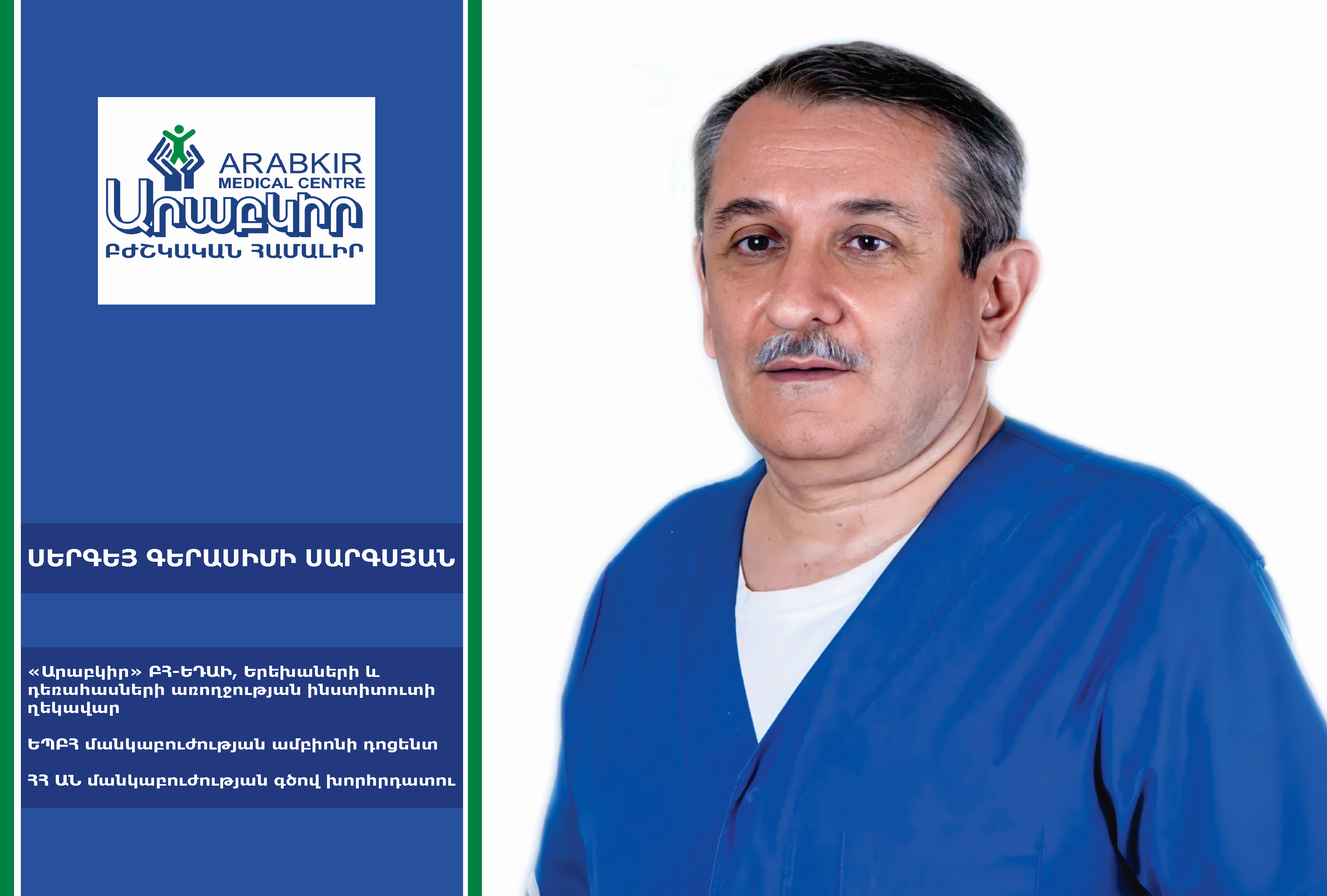
We are happy to note, that our colleague, the Head of the Institute of Child and Adolescent Health of “Arabkir” Medical Complex, Associate Professor of the Department of Pediatrics of YSMU, consultant for Pediatrics of the Ministry of Health of the RA Sergey Sargsyan participated in the development of this pocket book as a co-editor. 
Congratulations, dear Sergey Sargsyan!

Thank you for your relentless efforts dedicated to the health of children and adolescents.

https://www.euro.who.int/en/publications/abstracts/pocket-book-of-primary-health-care-for-children-and-adolescents-guidelines-for-health-promotion,-disease-prevention-and-management-from-the-newborn-period-to-adolescence-2022 


For more information call 060 400 300 /22 20/ and 015 400 300 /11 49/. 

Similar articles
Yerevan to Host a Conference on Clinical Neurology
08 April
The 4th Annual Conference on Clinical Neurology, named after Edgar Hovsepyan, will bring together neurologists, neurosurgeons, and leading specialists in the fields of anesthesiology and radiology from different countries in Yerevan, Armenia. A number of important topics will be discussed during the conference, including: Modern approaches to the treatment of Epilepsy Clinical and diagnostic perspectives The role of Electroencephalography in the diagnosis of epilepsy Therapeutic advances Challenges in identifying epileptic foci in the preoperative period Determining the appropriate time to discontinue drug therapy in the postoperative periodAdditional issues related to the conference topic will also be addressed.CME credits will be awarded to participants. The participation fee is 25,000 AMD. Registration will open soon. The conference will take place on May 21–22, 2026, from 08:30 to 18:00, in the “Tushpa” Hall of the Holiday Inn Yerevan - Republic Square. Arabkir Medical Center — A Reliable Partner in Health
What Is Epilepsy and What Public Awareness Events Are Held on Purple Day?
26 March
Guests of the “Luys Aravot” program on “Kentron” TV were Lusine Vardanyan, adult neurologist and neurophysiologist at Arabkir Medical Center, Elena Baghdasaryan, founder and head of the “Path of Life” charitable and public organization, and Mariam Arzumanyan, head of psychological support programs.
Life Goes On…
29 October 25
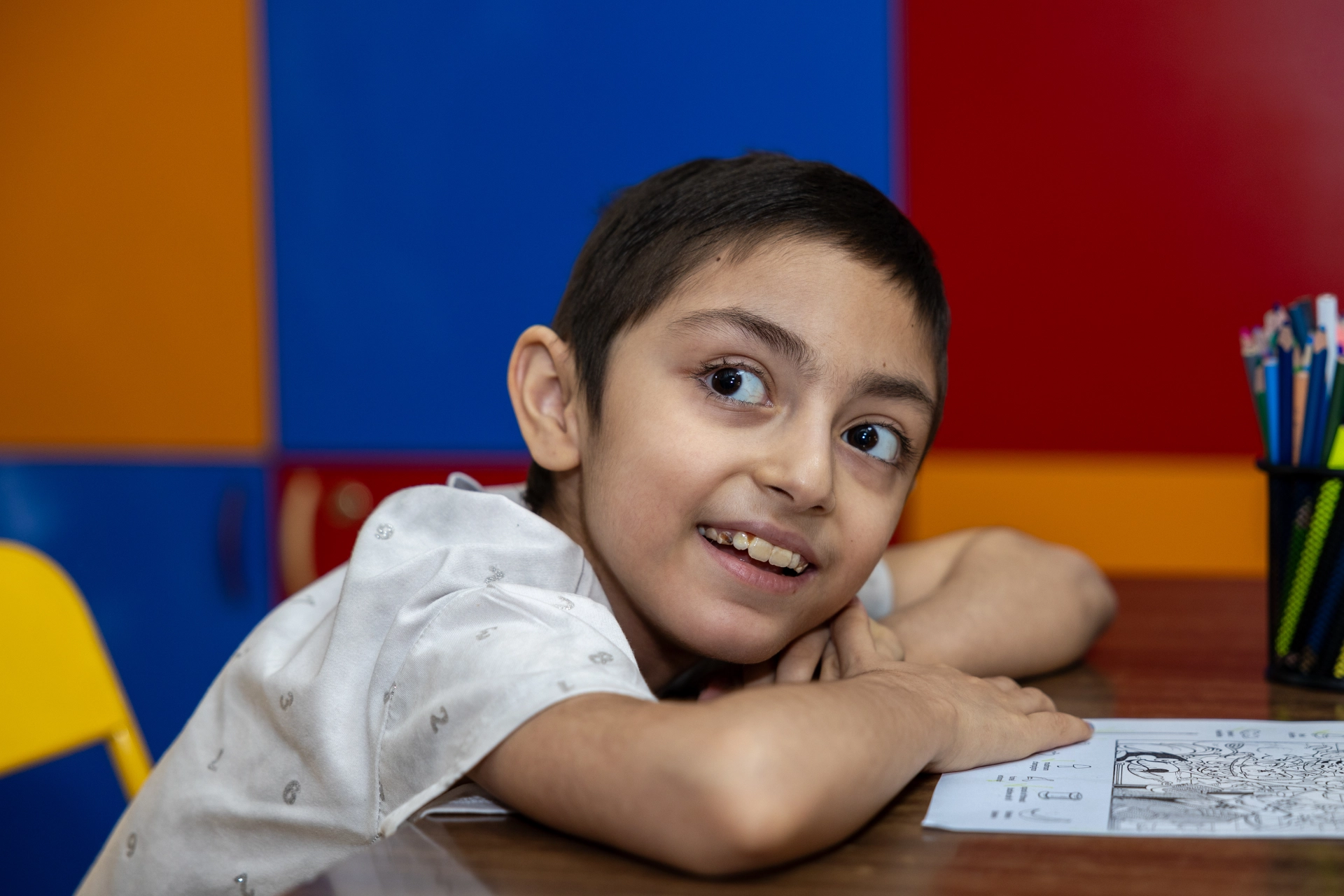
Narine is a heroic child, who, thanks to the state program of the Ministry of Health of the Republic of Armenia, the fundraising efforts of the Health Fund for Children of Armenia, and the dedication of a remarkable medical team, has overcome serious health challenges and is now smiling wholeheartedly, step by step returning to normal life. At just eight years old, Narine was diagnosed with a malignant liver tumor (hepatoblastoma) affecting both the right and left lobes of her liver. The large tumor involved the right and partially the left lobes of the liver. While receiving preoperative chemotherapy, on July 6, 2025, Narine developed severe pneumonia and myocarditis and was transferred to the Arabkir Medical Center, where she was treated for 15 days in the Resuscitation and Intensive Care Unit. To determine the next steps in her treatment, the professional team of the Arabkir Medical Center conducted comprehensive examinations. The findings were discussed with Belarusian transplant surgeons and leading Japanese specialists. Following these consultations, it was decided that an urgent liver transplant would be necessary to save the child’s life. Narine’s father volunteered to be the donor. At the same time, specialists considered the possibility of performing an extended liver resection, a technically challenging operation since the tumor had invaded the right lobe and several segments of the left. Though difficult, this option was preferable because it would allow Narine to keep part of her own liver. The medical team at the Arabkir Medical Center, together with colleagues from Minsk, Belarus, prepared for both scenarios simultaneously — either a transplant or an extended resection.On September 28, 2025, surgery was performed. The team successfully carried out an extended hemihepatectomy, preserving about 30% of Narine’s own liver, while her father waited in an adjacent operating room, ready to proceed with a transplant if necessary. The tumor was completely removed, and Narine was able to retain her own liver.According to international colleagues, performing such an operation is far more complex than a standard transplant. Although the surgery was successful, Narine developed acute liver failure in the early postoperative period due to the small size of the remaining organ and tissue swelling. The doctors at Arabkir Medical Center faced serious challenges but skillfully organized intensive therapy that replaced liver function and brought the young patient safely out of danger. Today, with a bright smile and unshakable faith, Narine believes she will soon return home and fulfill her cherished dreams. Her story is yet another testament to the dedication and heroism of the Arabkir Medical Center’s professional team. During her stay at the hospital, Narine even drew a touching picture of the Arabkir Medical Center and the airplane that brought the Belarusian specialists who helped save her life.
Richard Babayan visits Arabkir Medical Center and the Edgar Housepian Epileptology Clinic
01 October 25
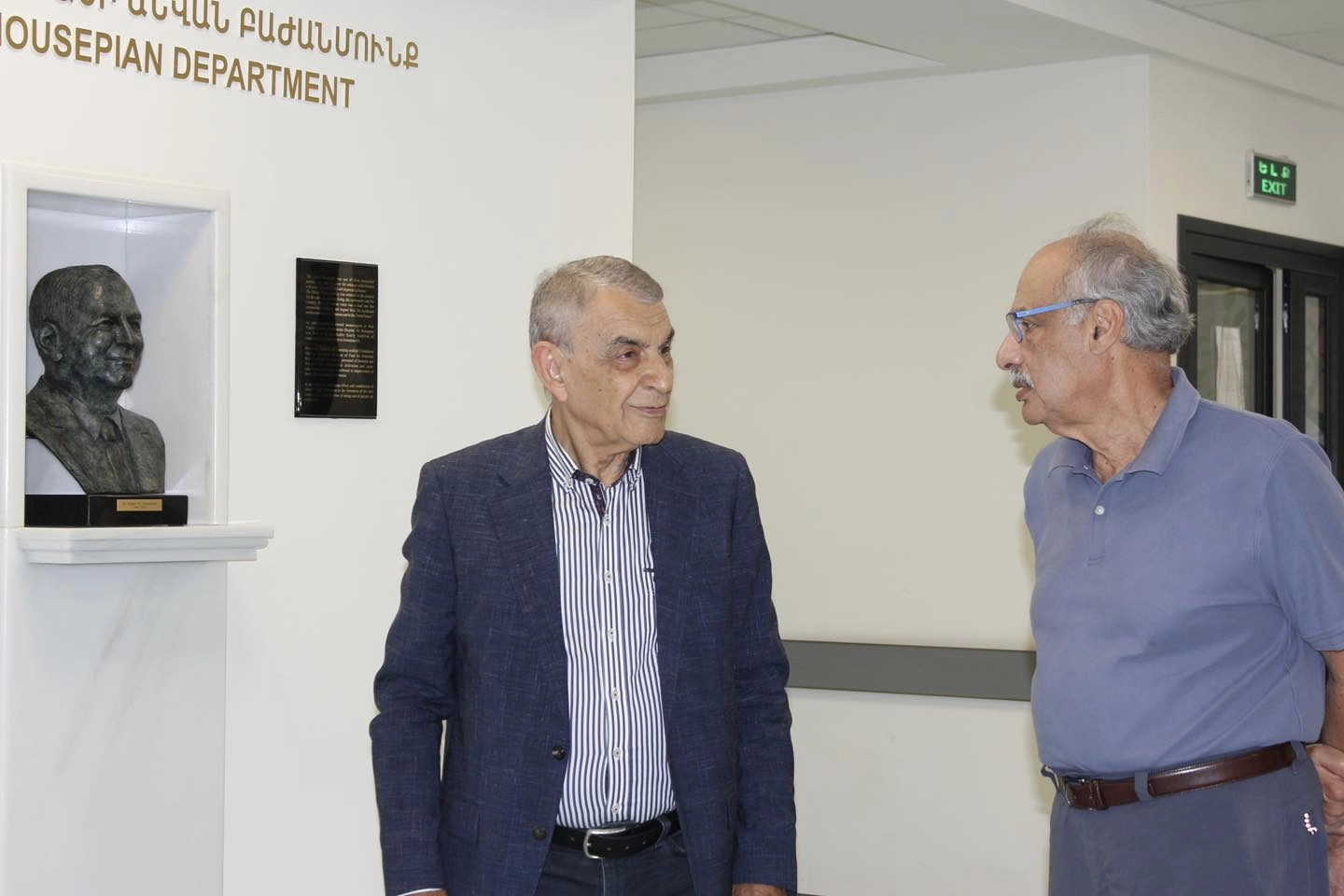
The Scientific Director of the Arabkir Medical Center, Professor Ara Babloyan, welcomed Dr. Richard Babayan, a member of the Board of Trustees of the Fund for Armenian Relief (FAR), who arrived from the United States, along with Hambardzum Simonyan, Deputy Director of FAR’s Armenian branch and Health Programs Manager, and Arno Hovhannisyan, Healthcare Program Coordinator. Thanks to the longstanding cooperation between Arabkir Medical Center and FAR, numerous healthcare programs have been implemented over the decades. During the visit, the guests toured the medical center and visited the Edgar Housepian Epileptology Clinic, where over 4,150 patients receive continuous care and treatment. The clinic is among the regional leaders in advanced epilepsy diagnosis and treatment for both children and adults. It is named in honor of Professor Edgar Housepian, an internationally renowned neurosurgeon at Columbia University and Presbyterian Hospital in New York. “Professor Housepian made an immense contribution not only to the United States but also to the healthcare system of Armenia,” noted Professor Ara Babloyan during the meeting. “His most active involvement began after the 1988 earthquake. As coordinator of FAR’s medical programs, he organized the training of nearly 100 Armenian doctors in the United States.”The introduction of a modern model of continuous professional development in Armenia became possible largely due to Professor Housepian’s legacy. Those present expressed deep appreciation for his life, work, and lasting contributions to Armenian healthcare.The visit concluded with a roundtable discussion, attended by participants of FAR’s Continuing Medical Education program from medical institutions across Armenia, along with Armine Hakobyan, President of the FAR Fellowship Alumni Association (FAR FAA), and Bella Grigoryan, a member of the Board. “The Fund for Armenian Relief is one of the exceptional organizations that, since 1988, has set clear goals for developing all sectors of public life in Armenia and continues to move confidently toward achieving them,” emphasized Professor Babloyan at the conclusion of the meeting. Both parties expressed confidence that their partnership will continue and expand in the years ahead.
Doctors from “Arabkir” MC Awarded
21 June 25
An official ceremony titled “Thank You, Doctor” was recently held in Gyumri, jointly organized by the Ministry of Health of the Republic of Armenia and the Union of Medical Institutions of Armenia NGO.   During the event, outstanding medical professionals from across the country were recognized for their dedication and service. Among them were two exceptional specialists from Arabkir Medical Complex: 🔹Dr. Lilit Vardanyan, pediatrician, head of the Reception and Emergency Department, 🔹Dr. Irina Tovmasyan, developmental pediatrician, head of the Developmental Pediatrics Service.   We warmly congratulate our esteemed colleagues on this well-deserved recognition and wish them continued success in their important and impactful work.
Մինչև մեկ տարեկան երեխաների սնուցումը. հարցազրույց Սերգեյ Սարգսյանի հետ
12 June 21
Երեխաների սնունդը մինչև մեկ տարեկանը բնականաբար բավականին տարբեր է մեծահասակի սննդից և գտնվում է ուշադրության կենտրոնում: Առողջ զարգացման համար հավասարակշռված սնունդ է պետք, որը կպարունակի բավարար չափով ածխաջրեր, սպիտակուցներ, ճարպեր, վիտամիններ, միկրոտարրեր: Շատ կարևոր են սպիտակուցները, որոնք կյանքի հիմքն են, մարդու ուղեղի զարգացման ամենակարևոր պայմանը: Դպրոցահասակ երեխայի և մեծահասակի սննդի մեջ տարբերությունը մեծ չէ: Բայց պետք է հաշվի առնել, որ երեխան աճման շրջանում է և նրա սնունդն ավելի հավասարակշռված պետք է լինի՝ հատկապես սպիտակուցներով հարուստ:   Որո՞նք են կրծքով կերակրման առավելությունները:   Կրծքի կաթում կան համապատասխան քանակով և որակով սպիտակուցներ, որոնք անհրաժեշտ են տվյալ տարիքում և հենց տվյալ կազմով: Իսկ կովի կաթը կամ այլ կաթի տեսակներ ունեն իրենց յուրահատկությունները և լիովին չեն համապատասխանում երեխայի սպիտակուցային կառուցվածքի պահանջին, ուստի և համապատասխանաբար՝ նրա ճիշտ աճին: Կրծքի կաթի ածխաջրերը և ճարպերը ավելի լավ են յուրացվում և ստեղծում համապատասխան պայմաններ երեխայի օրգանիզմի կառուցման համար: Շատ կարևոր առավելություն է իմուն գործոնների առկայությունը մայրական կաթի մեջ, որոնք պաշտպանում են երեխային մինչև  նրա սեփական իմունիտետի ձևավորումը: Վիտամինները և միկրոտարրերը նույնպես անհրաժեշտ չափով են առկա կրծքի կաթում, բացի վիտամին D-ից: Կրծքով կերակրելու առավելություններից է նաև կերակրի պատրաստման անհրաժեշտության բացակայությունը: Կրծքով կերակրման կարևորագույն գործոններից է երեխայի և մոր կապի ստեղծումը, որը նպաստում է երեխայի հոգեբանական ճիշտ զարգացմանը: Այսպիսով, կյանքի առաջին տարում  կամ գոնե 6 ամսվա ընթացքում պարտադիր է կրծքով կերակրումը:   Ինչպիսի՞ն է մինչև 1 տարեկան երեխաների արհեստական սննդի որակը:   Մինչև 1 տարեկան երեխայի ճիշտ սնուցումը կրծքով կերակրումն է: Եթե կրծքի կաթն անբավարար է, երեխան սնվում է ադապտացված կաթնային խառնուրդներով, որոնք կրծքի կաթին առավելագույնս մոտեցված խառնուրդներն են:   Ե՞րբ և ինչպե՞ս է ներմուծվում հավելյալ սնունդը:   Երեխայի նորմալ զարգացումը պահանջում է, որ երեխայի մոտ խնդիրների բացակայության դեպքում 6 ամսականից  ավելացվի հավելյալ սնունդ: Իսկ աճի հետ կապված խնդիրների դեպքում հավելյալ սնունդն ավելի վաղ է տրվում՝ 4-6 ամսեկանում: Ածխաջրատային հավելյալ սնունդը տարբեր բանջարեղենային խյուսերն են, շիլաները: Ապա կարևոր են նաև միսը, ձուն և այլն, որոնք իրենց դերակատարումն ունեն երեխայի ճիշտ զարգացման համար:   Կա՞ն բնածին վիճակներ, որոնց ժամանակ երեխան չի կարողանում ընդունել սննդի որոշ տեսակներ:   Այո, հազվադեպ հանդիպում են նյութափոխանակային դեֆեկտներ, որոնցից է գլուտենային էնտերոպաթիան՝ ցելիակիա կոչված հիվանդությունը, երբ երեխան չի կարող ուտել ցորենի որոշ տեսակներ, ինչը բերում է նրա վիճակի վատացման, ազդում աճի վրա, նաև որոշ դեպքերում կանխորոշում է մտավոր զարգացումը: Մուկովիսցիդոզի ժամանակ հնարավոր է նաև պանկրեատիկ անբավարարություն, ինչը բերում է ենթաստամոքսային գեղձի ֆերմենտների անբավարարության, նյութերի յուրացման խանգարման: Այս դեպքում բուժումն  իրականացվում է ֆերմենտներով:   Ինչպիսի՞ն պետք է լինի հիվանդ երեխայի սնուցումը:   Հիվանդ երեխան պետք է ուտի, չուտելը բերում է օրգանիզմի  թուլացման և դիմադրողականության անկման: Իհարկե հիվանդ ժամանակ սնունդն ավելի դյուրամարս պետք է լինի, բայց որոշակի սննդային արժեք հիվանդ երեխան պետք է յուրացնի: Նախկինում փորլուծության ժամանակ երեխային խորհուրդ չէին տալիս սնվել, բայց պարզվում է, որ աղիների ախտահարված բջիջները, որոնք պայմանավորում են նյութերի ներծծումը, առանց սննդի ավելի դժվար են վերականգնվում:   Կարելի՞ է  երեխային կերակրել հարկադրաբար:   Եթե երեխայի ֆիզիկական աճը նորմալ է և մեծ խախտում չկա, պետք է ծնողներին հանգստացնել, որ երեխային շատ չկերակրեն: Իսկ եթե իրոք երեխան չի ուտում, պետք է նախ հասկանալ պատճառը: Երբեմն տեղափոխումը, տատիկի մոտ տանելը փոխում է վիճակը: Երեխային պետք է կերակրել ոչ թե հարկադրաբար, այլ համոզելով:   Որքանո՞վ և ինչպե՞ս են ծնողները տեղեկացված երեխայի սննդի հարցերում:   ՀՀ Առողջապահության նախարարությունը պարբերաբար կազմակերպում է դասընթացներ բժիշկների համար: Հնարավորինս լուսաբանվում  են այդ հարցերը: Բժիշկները բացատրում են, պարզաբանում մանկան սնուցման եղանակները, խնդիրները  ծնողներին, այդ թեմայով բուկլետներ են տալիս: Բացի դրանից տարբեր կազմակերպությունների կողմից ևս ծնողական դասընթացներ են կազմակերպվում:   Ի՞նչ է կարևոր իմանալ:   Խորհուրդ եմ տալիս հետևել սննդաբանության կարևոր մոտեցումներին՝ ծննդից սկսած: Կան ընդհանուր մոտեցումներ, հրահանգներ, որոնք պետք է ճշտորեն կատարել: Շատ կարևոր է առողջ սննդին հետևելը, սննդի մեջ բանջարեղեն, մրգեր ներառելը:   Սերգեյ Սարգսյան Մանկաբույժ, «Արաբկիր» բժշկական համալիրին կից՝ Երեխաների և դեռահասների առողջության ինստիտուտի ղեկավար, ՀՀ Առողջապահության նախարարության  մանկաբուժության գծով խորհրդատու